Buy lajmeonline.eu ?
We are moving the project
lajmeonline.eu .
Are you interested in purchasing the domain
lajmeonline.eu ?
domain@kv-gmbh.de · 0541-91531010
Buy lajmeonline.eu ?
What are stressed vowels and unstressed vowels?
Stressed vowels are vowels that are pronounced with more emphasis or force in a word, making them sound louder and longer. Unstressed vowels, on the other hand, are pronounced with less emphasis and are often shorter and softer in sound. The distinction between stressed and unstressed vowels is important in understanding the rhythm and flow of spoken language, as well as in determining the correct pronunciation of words. **
What discriminatory news articles or headlines have you ever seen?
I have seen news articles and headlines that discriminate against certain racial or ethnic groups, such as using derogatory language or perpetuating negative stereotypes. Additionally, I have come across articles that discriminate against individuals based on their gender, sexual orientation, or socioeconomic status. These articles can perpetuate harmful biases and contribute to the marginalization of certain groups in society. It is important to be critical of the media we consume and to advocate for more inclusive and respectful representation in news coverage. **
Similar search terms for Vowels
Top-Angebote
Products related to Vowels:
-
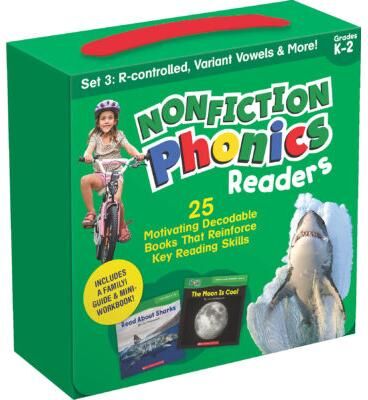
Nonfiction Phonics Readers SET 3: R-Control, Variant Vowels & MoreReinforce must-know phonics concepts with this cutting-edge series of nonfiction books! Each title features simple decodable text paired with clear, colorful photos to maximize learning and fun. From birds to birthdays, fast cars to big sharks―all...20,39 $*Shipping: 0,00 $Secure redirect to the provider
-
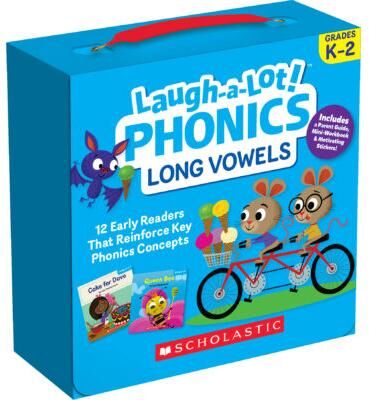
Laugh a Lot Phonics Laugh-A-Lot Phonics: Long Vowels Parent PackLay the foundation for literacy success with this super-engaging set of highly decodable stories! Inside the bright box, you'll find 12 funny books that provide targeted practice with simple, long-vowel words plus a tip-filled parent guide,...23,99 $*Shipping: 0,00 $Secure redirect to the provider
-
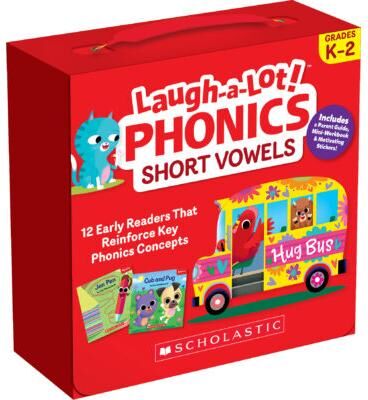
Laugh a Lot Phonics Laugh-A-Lot Phonics: Short Vowels Parent PackGive children the tools they need to soar as readers with this irresistible set of highly decodable stories! Inside the bright box, you'll find 12 funny books that provide targeted practice with simple, short-vowel words plus a tip-filled parent...23,99 $*Shipping: 0,00 $Secure redirect to the provider
-
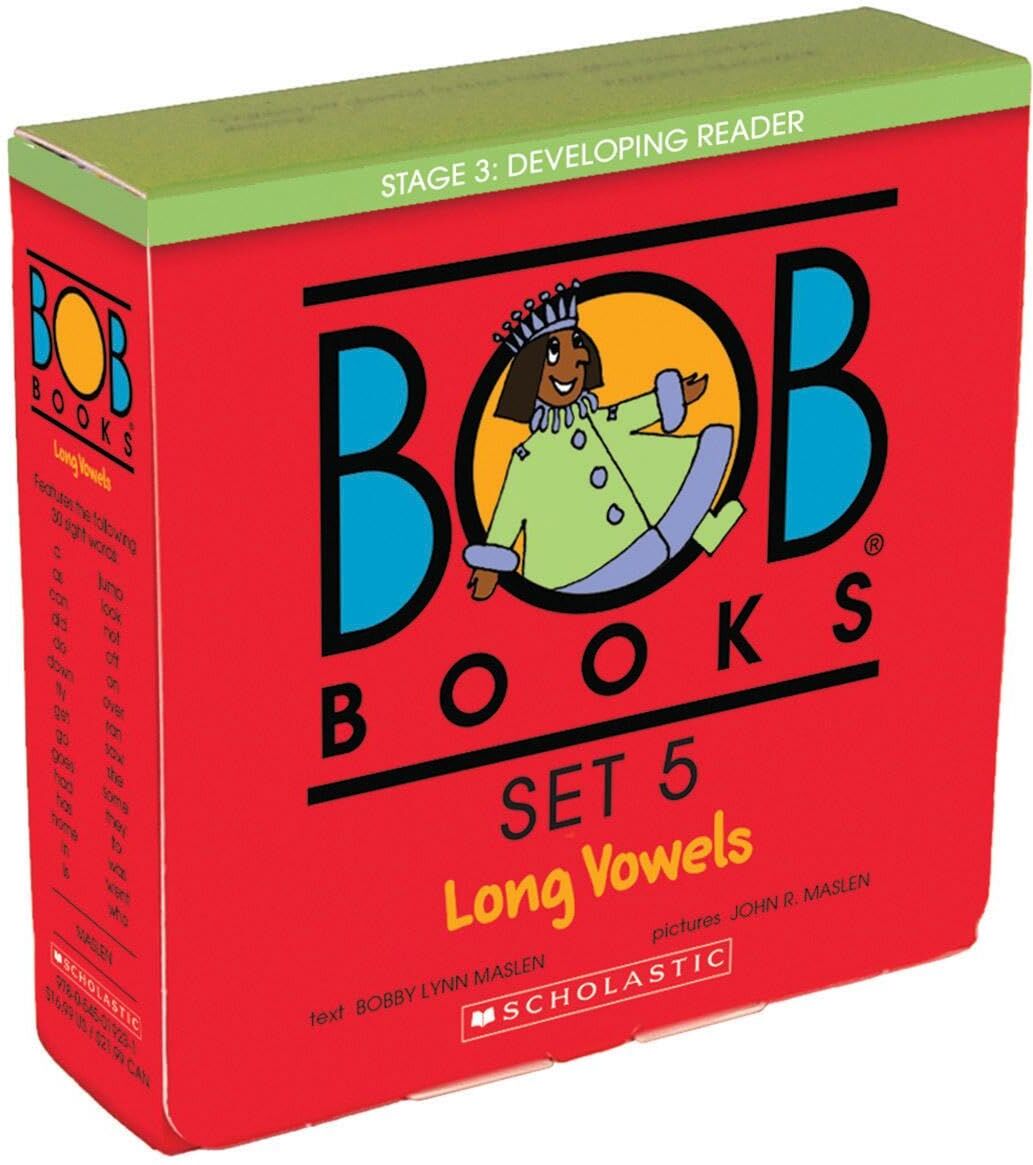
Scholastic Bob Books Set 5: Long Vowels (Stage 3: Developing Readers) 8 Books SetBox Set: 8 Books Ages: 6 to 7 Stage 3: Developing Readers Bob Books: Set 5 Long Vowels has the important role of teaching long vowels and the magic of the silent "e." By the time these books are finished, children should understand blending, diphthongs, combining syllables to form words, and reading sight words in context. Discussing the stories and pictures develops comprehension, making enthusiastic, happy readers. Inside the box you'll find: 8 books, 16-24 pages each Introduction of the magic, silent e Vowel combinations (such as oe, ai, ea) Up to 300 words per book9,79 £*Shipping: 2,99 £Secure redirect to the provider
-
How many vowels are there?
There are five vowels in the English alphabet: A, E, I, O, and U. These letters are considered vowels because they represent sounds that are produced without any obstruction in the vocal tract. Vowels are essential in forming words and creating the sounds of speech. **
-
What are vowels and consonants?
Vowels are speech sounds produced with an open vocal tract, and they are the most sonorant and central elements of syllables. They are typically represented by the letters A, E, I, O, and U in the English alphabet. Consonants, on the other hand, are speech sounds produced by obstructing the airflow in the vocal tract. They are less sonorant than vowels and are typically represented by the remaining letters of the English alphabet. Together, vowels and consonants form the building blocks of spoken language. **
-
Why are ä ö ü vowels?
Ä, ö, and ü are considered vowels in languages such as German because they represent distinct sounds that are produced with an open vocal tract and without any significant constriction of the airflow. These sounds are typically produced with the mouth open and the tongue in a relatively neutral position. In the case of German, these characters represent specific vowel sounds that are distinct from the standard vowels a, e, i, o, and u. **
-
What are rhymes with double vowels?
Rhymes with double vowels are words that have two consecutive vowels in their pronunciation. Examples include "rain," "boat," "feet," and "coin." These words create a musical and lyrical quality in poetry and song lyrics when they are used as rhymes. **
Why doesn't counting the vowels work?
Counting the vowels may not work because some words may have repeated vowels, making it difficult to accurately count them. Additionally, certain vowels may be combined to form a single sound, such as in the case of diphthongs. Furthermore, some languages may have different vowel sounds or additional vowels that may not be accounted for when simply counting the five standard vowels in English. **
What are dark and light vowels?
Dark vowels are vowels that are pronounced with a lower tongue position and often have a more closed mouth shape, resulting in a deeper or more muffled sound. Examples of dark vowels include /ɔ/ as in "thought" and /ʌ/ as in "cup." Light vowels, on the other hand, are vowels that are pronounced with a higher tongue position and a more open mouth shape, resulting in a brighter or clearer sound. Examples of light vowels include /i/ as in "see" and /ɛ/ as in "bed." **
Top-Angebote
Products related to Vowels:
-
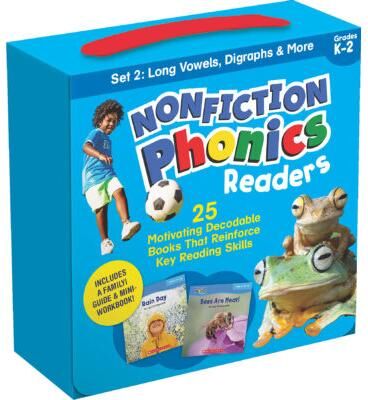
Nonfiction Phonics Readers SET 2: Long Vowels, Digraphs & MoreGive your child the tools to become a successful reader with this big collection of titles that target must-know concepts: long vowels, digraphs, two syllable words, and more. Each title features clear photos, just-right decodable text, and lively...20,39 $*Shipping: 0,00 $Secure redirect to the provider
-
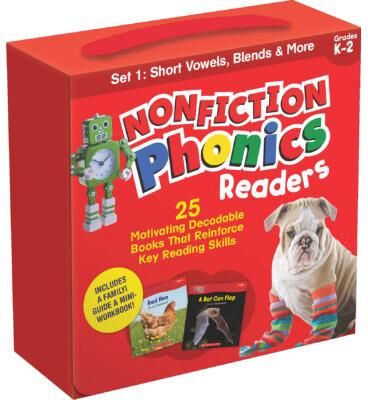
Nonfiction Phonics Readers SET 1: Short Vowels, Blends & MoreGive your child the tools to become a successful reader with this big collection of titles that target must-know concepts: short vowels, blends, plurals, and more. Each title features clear photos, just-right decodable text, and lively real-world...20,39 $*Shipping: 0,00 $Secure redirect to the provider
-
Nonfiction Phonics Readers SET 3: R-Control, Variant Vowels & MoreReinforce must-know phonics concepts with this cutting-edge series of nonfiction books! Each title features simple decodable text paired with clear, colorful photos to maximize learning and fun. From birds to birthdays, fast cars to big sharks―all...20,39 $*Shipping: 0,00 $Secure redirect to the provider
-
Laugh a Lot Phonics Laugh-A-Lot Phonics: Long Vowels Parent PackLay the foundation for literacy success with this super-engaging set of highly decodable stories! Inside the bright box, you'll find 12 funny books that provide targeted practice with simple, long-vowel words plus a tip-filled parent guide,...23,99 $*Shipping: 0,00 $Secure redirect to the provider
-
What are stressed vowels and unstressed vowels?
Stressed vowels are vowels that are pronounced with more emphasis or force in a word, making them sound louder and longer. Unstressed vowels, on the other hand, are pronounced with less emphasis and are often shorter and softer in sound. The distinction between stressed and unstressed vowels is important in understanding the rhythm and flow of spoken language, as well as in determining the correct pronunciation of words. **
-
What discriminatory news articles or headlines have you ever seen?
I have seen news articles and headlines that discriminate against certain racial or ethnic groups, such as using derogatory language or perpetuating negative stereotypes. Additionally, I have come across articles that discriminate against individuals based on their gender, sexual orientation, or socioeconomic status. These articles can perpetuate harmful biases and contribute to the marginalization of certain groups in society. It is important to be critical of the media we consume and to advocate for more inclusive and respectful representation in news coverage. **
-
How many vowels are there?
There are five vowels in the English alphabet: A, E, I, O, and U. These letters are considered vowels because they represent sounds that are produced without any obstruction in the vocal tract. Vowels are essential in forming words and creating the sounds of speech. **
-
What are vowels and consonants?
Vowels are speech sounds produced with an open vocal tract, and they are the most sonorant and central elements of syllables. They are typically represented by the letters A, E, I, O, and U in the English alphabet. Consonants, on the other hand, are speech sounds produced by obstructing the airflow in the vocal tract. They are less sonorant than vowels and are typically represented by the remaining letters of the English alphabet. Together, vowels and consonants form the building blocks of spoken language. **
Similar search terms for Vowels
-
Laugh a Lot Phonics Laugh-A-Lot Phonics: Short Vowels Parent PackGive children the tools they need to soar as readers with this irresistible set of highly decodable stories! Inside the bright box, you'll find 12 funny books that provide targeted practice with simple, short-vowel words plus a tip-filled parent...23,99 $*Shipping: 0,00 $Secure redirect to the provider
-
Scholastic Bob Books Set 5: Long Vowels (Stage 3: Developing Readers) 8 Books SetBox Set: 8 Books Ages: 6 to 7 Stage 3: Developing Readers Bob Books: Set 5 Long Vowels has the important role of teaching long vowels and the magic of the silent "e." By the time these books are finished, children should understand blending, diphthongs, combining syllables to form words, and reading sight words in context. Discussing the stories and pictures develops comprehension, making enthusiastic, happy readers. Inside the box you'll find: 8 books, 16-24 pages each Introduction of the magic, silent e Vowel combinations (such as oe, ai, ea) Up to 300 words per book9,79 £*Shipping: 2,99 £Secure redirect to the provider
-
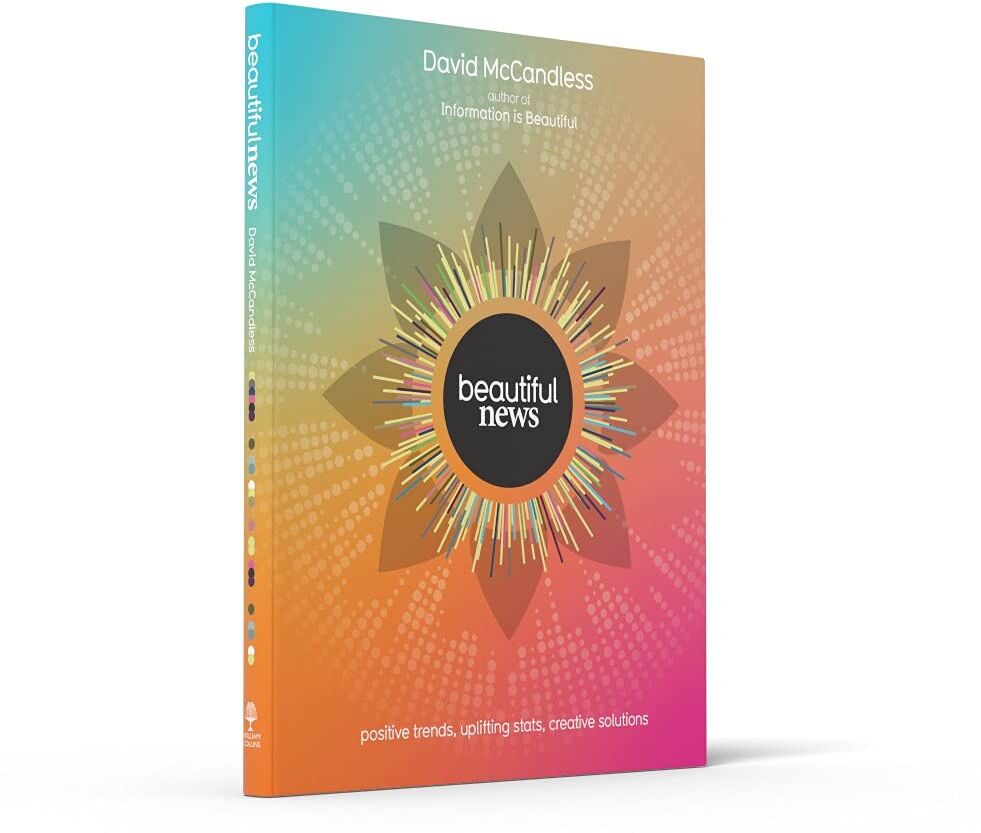
William Collins Beautiful News: Positive Trends, Uplifting Stats, Creative Solutions by David McCandlessIn this fascinating follow-up to the bestselling Information is Beautiful and Knowledge is Beautiful, the king of infographics David McCandless uses spectacular visuals to give us all a bit of good news. We are living in the Information Age, in which we are constantly bombarded with data – on television, in print and online. How can we relate to this mind-numbing overload? Enter David McCandless and his amazing infographics: simple, elegant ways to understand information too complex or abstract to grasp any way but visually. In his unique signature style, he creates dazzling displays that blend facts with their connections, contexts and relationships, making information meaningful, entertaining – and beautiful. In his highly anticipated third book, McCandless illustrates positive news from around the world, for an informative, engaging and uplifting collection of new infographic art.5,99 £*Shipping: 2,99 £Secure redirect to the provider
-
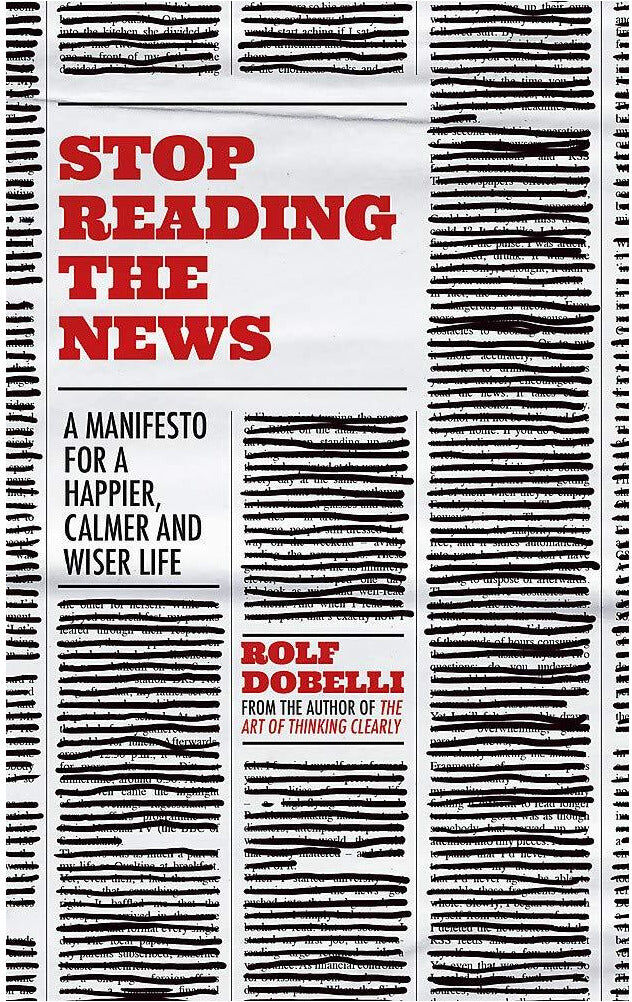
Sceptre Stop Reading the News: A Manifesto for a Happier, Calmer and Wiser Life by Rolf DobelliIn 2013 Rolf Dobelli stood in front of a roomful of journalists and proclaimed that he did not read the news. It caused a riot. Now the author of the bestselling The Art of Thinking Clearly finally sets down his philosophy in detail. And he practises what he preaches: he hasn't read the news for a decade. Stop Reading the News is Dobelli's manifesto about the dangers of the most toxic form of information - news. He shows the damage it does to our concentration and well-being, and how a misplaced sense of duty can misdirect our behaviour. Most importantly, he offers the reader the guidance on how to live without news, and the many potential gains to be had: less disruption, more time, less anxiety, more insights. In a world of increasing disruption and division, Stop Reading the News is a welcome voice of calm and wisdom.4,49 £*Shipping: 1,99 £Secure redirect to the provider
-
Why are ä ö ü vowels?
Ä, ö, and ü are considered vowels in languages such as German because they represent distinct sounds that are produced with an open vocal tract and without any significant constriction of the airflow. These sounds are typically produced with the mouth open and the tongue in a relatively neutral position. In the case of German, these characters represent specific vowel sounds that are distinct from the standard vowels a, e, i, o, and u. **
-
What are rhymes with double vowels?
Rhymes with double vowels are words that have two consecutive vowels in their pronunciation. Examples include "rain," "boat," "feet," and "coin." These words create a musical and lyrical quality in poetry and song lyrics when they are used as rhymes. **
-
Why doesn't counting the vowels work?
Counting the vowels may not work because some words may have repeated vowels, making it difficult to accurately count them. Additionally, certain vowels may be combined to form a single sound, such as in the case of diphthongs. Furthermore, some languages may have different vowel sounds or additional vowels that may not be accounted for when simply counting the five standard vowels in English. **
-
What are dark and light vowels?
Dark vowels are vowels that are pronounced with a lower tongue position and often have a more closed mouth shape, resulting in a deeper or more muffled sound. Examples of dark vowels include /ɔ/ as in "thought" and /ʌ/ as in "cup." Light vowels, on the other hand, are vowels that are pronounced with a higher tongue position and a more open mouth shape, resulting in a brighter or clearer sound. Examples of light vowels include /i/ as in "see" and /ɛ/ as in "bed." **
* All prices are inclusive of VAT and, if applicable, plus shipping costs. The offer information is based on the details provided by the respective shop and is updated through automated processes. Real-time updates do not occur, so deviations can occur in individual cases. ** Note: Parts of this content were created by AI.