Buy lajmeonline.eu ?
We are moving the project
lajmeonline.eu .
Are you interested in purchasing the domain
lajmeonline.eu ?
domain@kv-gmbh.de · 0541-91531010
Buy lajmeonline.eu ?
What discriminatory news articles or headlines have you ever seen?
I have seen news articles and headlines that discriminate against certain racial or ethnic groups, such as using derogatory language or perpetuating negative stereotypes. Additionally, I have come across articles that discriminate against individuals based on their gender, sexual orientation, or socioeconomic status. These articles can perpetuate harmful biases and contribute to the marginalization of certain groups in society. It is important to be critical of the media we consume and to advocate for more inclusive and respectful representation in news coverage. **
Will I tan after getting sunburned?
Yes, it is possible to tan after getting sunburned. When the skin is exposed to UV radiation, it triggers the production of melanin, the pigment responsible for tanning. However, it's important to note that sunburn is a sign of skin damage, and continued exposure to UV radiation can increase the risk of skin cancer. It's important to protect your skin from further damage by using sunscreen and seeking shade. **


Similar search terms for Youth-Lab-Tan-After
Top-Angebote
Products related to Youth-Lab-Tan-After:
-
Youth Lab Brightening Vit-c Serum 30mLA facial serum for wrinkles and signs of ageing. Ascorbic Acid ensures high antioxidant protection against free radicals and stimulates collagen production. With a patented composition formulation, ensures extra hydration and protection from blue light emitted by electronic devices. Main Active Ingredients:.31,57 £*Shipping: 5,34 £Secure redirect to the provider
-
Youth Lab Retinol Reboot Eye Serum 15mLAn eye serum for wrinkles and signs of ageing. It a serum for the eye contour with a strong regenerating effect with new generation vitamin A. Its studies show no irritation on sensitive eyes and on contact lens wearers. Apply every evening with the ring finger to clean skin around the eye contour area and also to the mobile eyelid.28,07 £*Shipping: 5,34 £Secure redirect to the provider
-
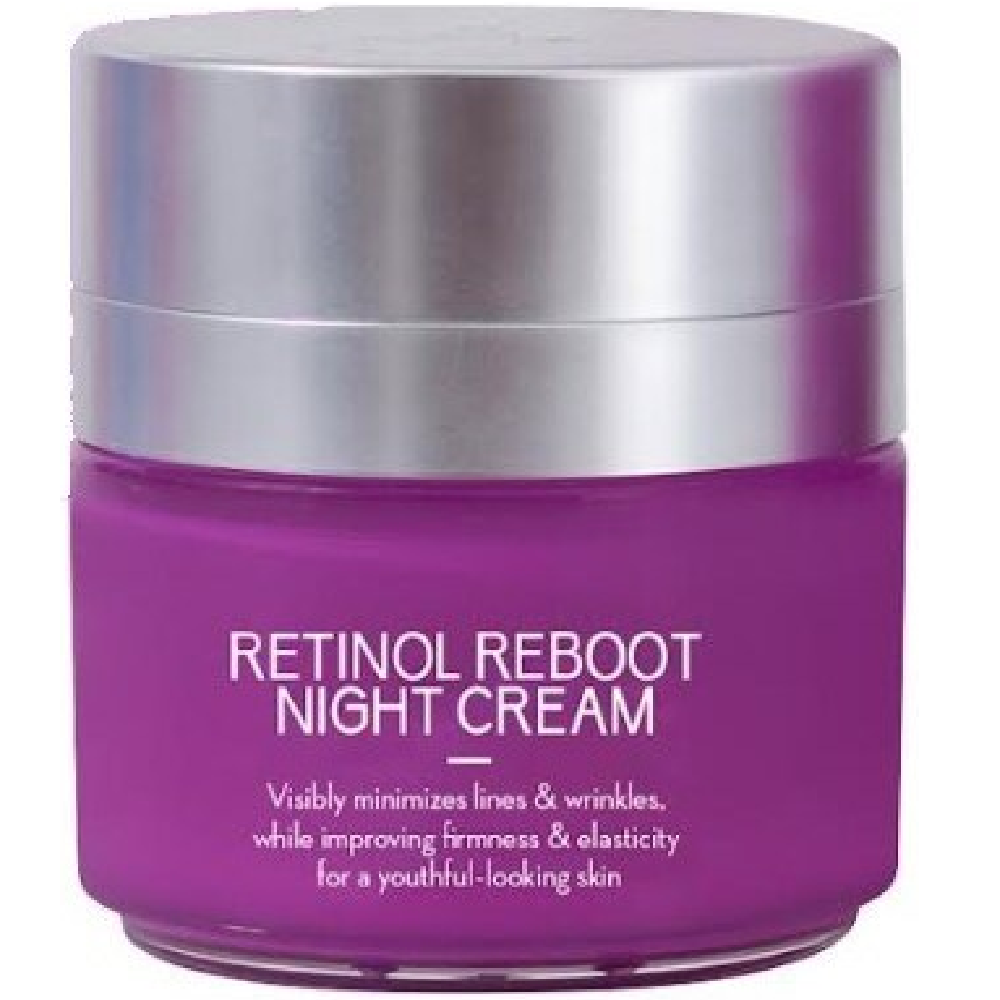
Youth Lab Retinol Reboot Night Cream 50mLA night cream for wrinkles and signs of ageing. It an enhanced night cream, with new generation vitamin A, that restructures and attenuates the signs of aging. A fast-acting active formula containing retinoids and active ingredients that promote skin regeneration and balance. Visibly reduces deep wrinkles while improving skin firmness and elasticity.36,54 £*Shipping: 7,11 £Secure redirect to the provider


-
Does the skin tan after it peels?
Yes, the skin can tan after it peels. When the outer layer of skin peels off, the new skin underneath is more sensitive to the sun and can tan more easily. It is important to protect this new skin from further damage by using sunscreen to prevent sunburn and premature aging. **
-
Does one get tan after a sunburn?
Yes, after a sunburn, the skin may initially appear red and irritated. However, as the skin heals, it may develop a tan as a result of the increased production of melanin, the pigment responsible for skin color. This tan is the body's way of trying to protect the skin from further damage caused by UV radiation. It's important to note that getting a tan after a sunburn does not mean that the skin is healthy or that the damage caused by the sunburn has been reversed. Sunburns can increase the risk of skin cancer and premature aging, so it's important to protect the skin from excessive sun exposure. **
-
How long do the instructors store our term papers and lab reports?
The instructors store our term papers and lab reports for a period of one year after the end of the course. This allows students to access their work if needed for future reference or for potential use in other courses. After the one-year period, the papers and reports are securely disposed of to protect the students' privacy and confidentiality. **
-
Why doesn't the tan fade after a year?
The tan doesn't fade after a year because the skin continuously sheds and renews itself. As the outer layer of skin cells slough off, the tan gradually fades. However, if the skin is consistently exposed to the sun without protection, the tan can persist or darken over time. Additionally, factors such as genetics, skin type, and sun exposure can also influence how long a tan lasts. **
Why does the tan fade after a while?
The tan fades after a while because the top layer of our skin, the epidermis, is constantly renewing itself. As new skin cells are produced, the older, tanned skin cells are shed off, causing the tan to gradually fade. Additionally, factors such as exfoliation, sun exposure, and skin hydration can also contribute to the fading of a tan over time. **
Why does the tan disappear after a while?
The tan disappears after a while because the outer layer of the skin, called the epidermis, is constantly shedding and renewing itself. As new skin cells replace the old ones, the tan gradually fades away. Additionally, exposure to sunlight causes the skin to produce more melanin, which gives the skin its tan color. However, when the skin is no longer exposed to sunlight, the production of melanin decreases, leading to the gradual fading of the tan. **
Top-Angebote
Products related to Youth-Lab-Tan-After:
-
Youth Lab Tan & After Sun Soothing & Tan ProlongingA skin-care product. It a gel cream that helps repair and soothes the skin after sun exposure. A refreshing texture that helps to:. repair thanks to the extract of the seaweed Bifurcaria, with properties that help eliminate the consequences of free radicals. improvement of the tan thanks to Acetyl Tyrosine, which mimics the melanin, naturally present in the skin.29,35 £*Shipping: 10,02 £Secure redirect to the provider
-
Youth Lab Brightening Vit-c Serum 30mLA facial serum for wrinkles and signs of ageing. Ascorbic Acid ensures high antioxidant protection against free radicals and stimulates collagen production. With a patented composition formulation, ensures extra hydration and protection from blue light emitted by electronic devices. Main Active Ingredients:.31,57 £*Shipping: 5,34 £Secure redirect to the provider
-
What discriminatory news articles or headlines have you ever seen?
I have seen news articles and headlines that discriminate against certain racial or ethnic groups, such as using derogatory language or perpetuating negative stereotypes. Additionally, I have come across articles that discriminate against individuals based on their gender, sexual orientation, or socioeconomic status. These articles can perpetuate harmful biases and contribute to the marginalization of certain groups in society. It is important to be critical of the media we consume and to advocate for more inclusive and respectful representation in news coverage. **
-
Will I tan after getting sunburned?
Yes, it is possible to tan after getting sunburned. When the skin is exposed to UV radiation, it triggers the production of melanin, the pigment responsible for tanning. However, it's important to note that sunburn is a sign of skin damage, and continued exposure to UV radiation can increase the risk of skin cancer. It's important to protect your skin from further damage by using sunscreen and seeking shade. **
-
Does the skin tan after it peels?
Yes, the skin can tan after it peels. When the outer layer of skin peels off, the new skin underneath is more sensitive to the sun and can tan more easily. It is important to protect this new skin from further damage by using sunscreen to prevent sunburn and premature aging. **
-
Does one get tan after a sunburn?
Yes, after a sunburn, the skin may initially appear red and irritated. However, as the skin heals, it may develop a tan as a result of the increased production of melanin, the pigment responsible for skin color. This tan is the body's way of trying to protect the skin from further damage caused by UV radiation. It's important to note that getting a tan after a sunburn does not mean that the skin is healthy or that the damage caused by the sunburn has been reversed. Sunburns can increase the risk of skin cancer and premature aging, so it's important to protect the skin from excessive sun exposure. **
Similar search terms for Youth-Lab-Tan-After
-
Youth Lab Retinol Reboot Eye Serum 15mLAn eye serum for wrinkles and signs of ageing. It a serum for the eye contour with a strong regenerating effect with new generation vitamin A. Its studies show no irritation on sensitive eyes and on contact lens wearers. Apply every evening with the ring finger to clean skin around the eye contour area and also to the mobile eyelid.28,07 £*Shipping: 5,34 £Secure redirect to the provider
-
Youth Lab Retinol Reboot Night Cream 50mLA night cream for wrinkles and signs of ageing. It an enhanced night cream, with new generation vitamin A, that restructures and attenuates the signs of aging. A fast-acting active formula containing retinoids and active ingredients that promote skin regeneration and balance. Visibly reduces deep wrinkles while improving skin firmness and elasticity.36,54 £*Shipping: 7,11 £Secure redirect to the provider
-
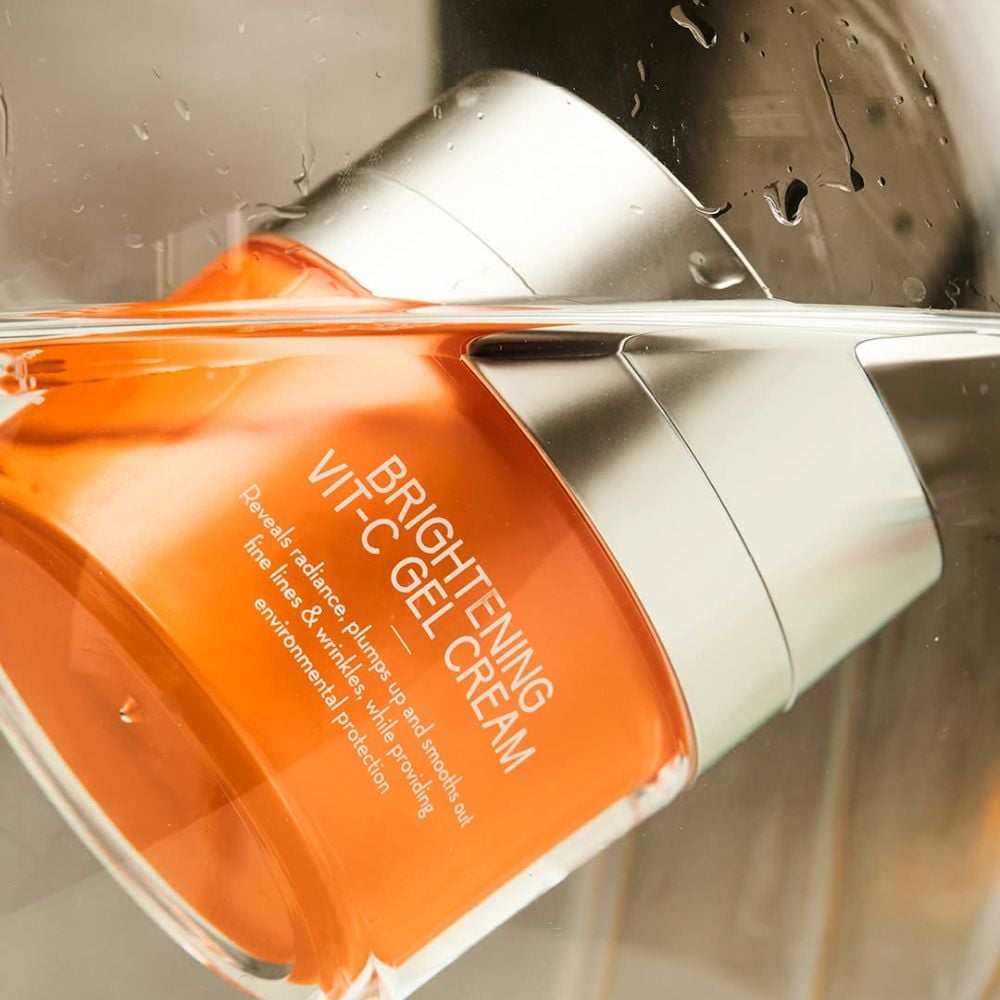
Youth Lab Brightening Vit-c Gel CreamA facial cream for wrinkles and signs of ageing. It an oil-free moisturizer with stabilized L-Ascorbic Acid and water gel technology that promotes skin volume and density, restoring luminosity and evening skin tone, offering a healthy and youthful appearance. Ascorbic Acid ensures high antioxidant protection against free radicals and stimulates collagen production.29,52 £*Shipping: 7,11 £Secure redirect to the provider
-
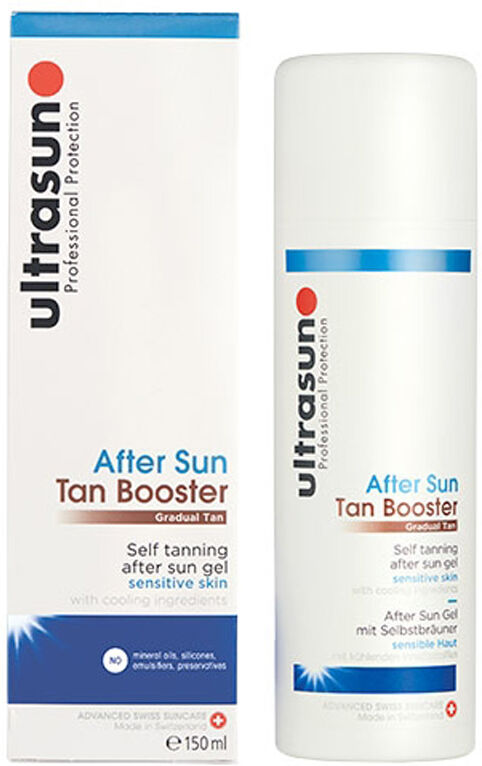
Ultrasun After Sun Tan Booster 150mlFast absorbing and non-greasy, this lightly perfumed gel has 2% DHA Plus to enhance your natural tan. Providing an instant and long-lasting cooling effect on the skin with Questice(R) Liquid the skin is also hydrated with HydraSynol DOI. Helping to enhance and restore the skin's natural moisture levels while extending your tan, this soothing treat leaves skin with a buildable golden glow. INGREDIENTS* Aqua, Glycerin, Alcohol, Isoamyl Laurate, Dihydroxyacetone, Isosorbide Dicaprylate, Polyacrylate Crosspolymer-6, Menthyl PCA, Ethylhexylglycerin, Xanthan Gum, Allantoin, Sodium Metabisulfite, Bisabolol, Parfum, Magnesium Stearate, Tocopheryl Acetate, T-Butyl Alcohol, Hexyl Cinnamal, Limonene, Benzyl Salicylate *Please be aware that ingredient lists for products are updated regularly. Please refer to the ingredient list on the product package for the most up-to-date list of ingredients to ensure it is suitable for your personal use.21,60 £*Shipping: 2,95 £Secure redirect to the provider
-
How long do the instructors store our term papers and lab reports?
The instructors store our term papers and lab reports for a period of one year after the end of the course. This allows students to access their work if needed for future reference or for potential use in other courses. After the one-year period, the papers and reports are securely disposed of to protect the students' privacy and confidentiality. **
-
Why doesn't the tan fade after a year?
The tan doesn't fade after a year because the skin continuously sheds and renews itself. As the outer layer of skin cells slough off, the tan gradually fades. However, if the skin is consistently exposed to the sun without protection, the tan can persist or darken over time. Additionally, factors such as genetics, skin type, and sun exposure can also influence how long a tan lasts. **
-
Why does the tan fade after a while?
The tan fades after a while because the top layer of our skin, the epidermis, is constantly renewing itself. As new skin cells are produced, the older, tanned skin cells are shed off, causing the tan to gradually fade. Additionally, factors such as exfoliation, sun exposure, and skin hydration can also contribute to the fading of a tan over time. **
-
Why does the tan disappear after a while?
The tan disappears after a while because the outer layer of the skin, called the epidermis, is constantly shedding and renewing itself. As new skin cells replace the old ones, the tan gradually fades away. Additionally, exposure to sunlight causes the skin to produce more melanin, which gives the skin its tan color. However, when the skin is no longer exposed to sunlight, the production of melanin decreases, leading to the gradual fading of the tan. **
* All prices are inclusive of VAT and, if applicable, plus shipping costs. The offer information is based on the details provided by the respective shop and is updated through automated processes. Real-time updates do not occur, so deviations can occur in individual cases. ** Note: Parts of this content were created by AI.