Buy lajmeonline.eu ?
We are moving the project
lajmeonline.eu .
Are you interested in purchasing the domain
lajmeonline.eu ?
domain@kv-gmbh.de · 0541-91531010
Buy lajmeonline.eu ?
What discriminatory news articles or headlines have you ever seen?
I have seen news articles and headlines that discriminate against certain racial or ethnic groups, such as using derogatory language or perpetuating negative stereotypes. Additionally, I have come across articles that discriminate against individuals based on their gender, sexual orientation, or socioeconomic status. These articles can perpetuate harmful biases and contribute to the marginalization of certain groups in society. It is important to be critical of the media we consume and to advocate for more inclusive and respectful representation in news coverage. **
What is the temperate zone 2?
The temperate zone 2 is a region of the Earth located between the Tropic of Cancer and the Arctic Circle in the Northern Hemisphere, and between the Tropic of Capricorn and the Antarctic Circle in the Southern Hemisphere. This zone experiences moderate temperatures and distinct seasons, with warm summers and cool winters. It is characterized by a diverse range of ecosystems, including deciduous forests, grasslands, and some areas of Mediterranean climate. The temperate zone 2 is home to a wide variety of plant and animal species adapted to its seasonal climate. **

Similar search terms for Temperate
Top-Angebote
Products related to Temperate:
-
Sceptre Stop Reading the News: A Manifesto for a Happier, Calmer and Wiser Life by Rolf DobelliIn 2013 Rolf Dobelli stood in front of a roomful of journalists and proclaimed that he did not read the news. It caused a riot. Now the author of the bestselling The Art of Thinking Clearly finally sets down his philosophy in detail. And he practises what he preaches: he hasn't read the news for a decade. Stop Reading the News is Dobelli's manifesto about the dangers of the most toxic form of information - news. He shows the damage it does to our concentration and well-being, and how a misplaced sense of duty can misdirect our behaviour. Most importantly, he offers the reader the guidance on how to live without news, and the many potential gains to be had: less disruption, more time, less anxiety, more insights. In a world of increasing disruption and division, Stop Reading the News is a welcome voice of calm and wisdom.4,49 £*Shipping: 1,99 £Secure redirect to the provider




-
What is a temperate maritime climate?
A temperate maritime climate is characterized by mild temperatures and moderate rainfall due to the influence of the nearby ocean. This type of climate is typically found in coastal regions and is known for its relatively stable and mild weather conditions. Winters are usually mild and summers are cool, with a narrow temperature range throughout the year. The presence of the ocean helps to moderate temperature extremes and create a more stable climate. **
-
Which countries are located in the temperate zone?
Countries located in the temperate zone include the United States, Canada, Japan, China, Australia, Argentina, and parts of Europe such as France, Germany, and the United Kingdom. These countries experience four distinct seasons with moderate temperatures and are located between the Tropic of Cancer and the Arctic Circle in the Northern Hemisphere, and between the Tropic of Capricorn and the Antarctic Circle in the Southern Hemisphere. **
-
How does the nutrient cycle work in temperate regions?
In temperate regions, the nutrient cycle works through a series of processes that involve the movement and transformation of nutrients such as carbon, nitrogen, and phosphorus. These nutrients are taken up by plants from the soil, then transferred to animals through consumption. When plants and animals die, their organic matter decomposes, releasing nutrients back into the soil. These nutrients are then recycled and reused by plants, completing the cycle. Additionally, weathering of rocks and minerals also contributes to the availability of nutrients in temperate regions. **
-
What are the temperate zones in the mid-latitudes?
The temperate zones in the mid-latitudes are regions located between the Tropic of Cancer and the Arctic Circle in the Northern Hemisphere, and between the Tropic of Capricorn and the Antarctic Circle in the Southern Hemisphere. These zones experience moderate temperatures compared to the tropics and polar regions, with distinct seasons including warm summers and cool winters. The temperate zones are characterized by a variety of ecosystems, including deciduous forests, grasslands, and Mediterranean climates, making them highly diverse in terms of flora and fauna. **


What is the climate like in the temperate zone?
The climate in the temperate zone is characterized by four distinct seasons - spring, summer, fall, and winter. The temperatures in this zone are moderate, with warm summers and cool winters. The temperate zone typically experiences a good amount of rainfall throughout the year, which supports a variety of vegetation. Overall, the climate in the temperate zone is generally pleasant and conducive to a diverse range of plant and animal life. **
How are plants cultivated in agriculture in the temperate zone?
In the temperate zone, plants are cultivated in agriculture through a variety of methods. These include crop rotation, where different crops are planted in the same field in successive seasons to improve soil fertility and reduce pests and diseases. Additionally, farmers may use greenhouses or high tunnels to extend the growing season and protect plants from harsh weather. In some cases, irrigation systems are used to ensure that plants receive enough water, especially during dry periods. Finally, farmers may also use technology such as tractors and other machinery to help with planting, harvesting, and other tasks. **
Top-Angebote
Products related to Temperate:
-
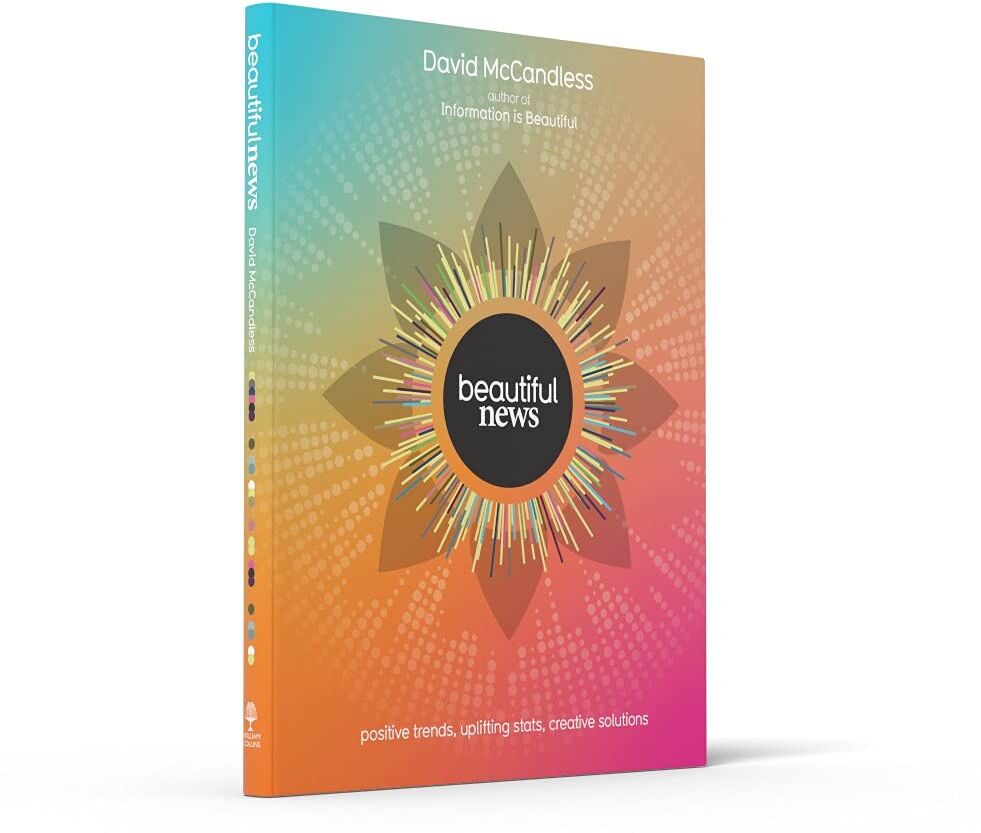
William Collins Beautiful News: Positive Trends, Uplifting Stats, Creative Solutions by David McCandlessIn this fascinating follow-up to the bestselling Information is Beautiful and Knowledge is Beautiful, the king of infographics David McCandless uses spectacular visuals to give us all a bit of good news. We are living in the Information Age, in which we are constantly bombarded with data – on television, in print and online. How can we relate to this mind-numbing overload? Enter David McCandless and his amazing infographics: simple, elegant ways to understand information too complex or abstract to grasp any way but visually. In his unique signature style, he creates dazzling displays that blend facts with their connections, contexts and relationships, making information meaningful, entertaining – and beautiful. In his highly anticipated third book, McCandless illustrates positive news from around the world, for an informative, engaging and uplifting collection of new infographic art.5,99 £*Shipping: 2,99 £Secure redirect to the provider
-
Sceptre Stop Reading the News: A Manifesto for a Happier, Calmer and Wiser Life by Rolf DobelliIn 2013 Rolf Dobelli stood in front of a roomful of journalists and proclaimed that he did not read the news. It caused a riot. Now the author of the bestselling The Art of Thinking Clearly finally sets down his philosophy in detail. And he practises what he preaches: he hasn't read the news for a decade. Stop Reading the News is Dobelli's manifesto about the dangers of the most toxic form of information - news. He shows the damage it does to our concentration and well-being, and how a misplaced sense of duty can misdirect our behaviour. Most importantly, he offers the reader the guidance on how to live without news, and the many potential gains to be had: less disruption, more time, less anxiety, more insights. In a world of increasing disruption and division, Stop Reading the News is a welcome voice of calm and wisdom.4,49 £*Shipping: 1,99 £Secure redirect to the provider
-
What discriminatory news articles or headlines have you ever seen?
I have seen news articles and headlines that discriminate against certain racial or ethnic groups, such as using derogatory language or perpetuating negative stereotypes. Additionally, I have come across articles that discriminate against individuals based on their gender, sexual orientation, or socioeconomic status. These articles can perpetuate harmful biases and contribute to the marginalization of certain groups in society. It is important to be critical of the media we consume and to advocate for more inclusive and respectful representation in news coverage. **
-
What is the temperate zone 2?
The temperate zone 2 is a region of the Earth located between the Tropic of Cancer and the Arctic Circle in the Northern Hemisphere, and between the Tropic of Capricorn and the Antarctic Circle in the Southern Hemisphere. This zone experiences moderate temperatures and distinct seasons, with warm summers and cool winters. It is characterized by a diverse range of ecosystems, including deciduous forests, grasslands, and some areas of Mediterranean climate. The temperate zone 2 is home to a wide variety of plant and animal species adapted to its seasonal climate. **
-
What is a temperate maritime climate?
A temperate maritime climate is characterized by mild temperatures and moderate rainfall due to the influence of the nearby ocean. This type of climate is typically found in coastal regions and is known for its relatively stable and mild weather conditions. Winters are usually mild and summers are cool, with a narrow temperature range throughout the year. The presence of the ocean helps to moderate temperature extremes and create a more stable climate. **
-
Which countries are located in the temperate zone?
Countries located in the temperate zone include the United States, Canada, Japan, China, Australia, Argentina, and parts of Europe such as France, Germany, and the United Kingdom. These countries experience four distinct seasons with moderate temperatures and are located between the Tropic of Cancer and the Arctic Circle in the Northern Hemisphere, and between the Tropic of Capricorn and the Antarctic Circle in the Southern Hemisphere. **
Similar search terms for Temperate
-
How does the nutrient cycle work in temperate regions?
In temperate regions, the nutrient cycle works through a series of processes that involve the movement and transformation of nutrients such as carbon, nitrogen, and phosphorus. These nutrients are taken up by plants from the soil, then transferred to animals through consumption. When plants and animals die, their organic matter decomposes, releasing nutrients back into the soil. These nutrients are then recycled and reused by plants, completing the cycle. Additionally, weathering of rocks and minerals also contributes to the availability of nutrients in temperate regions. **
-
What are the temperate zones in the mid-latitudes?
The temperate zones in the mid-latitudes are regions located between the Tropic of Cancer and the Arctic Circle in the Northern Hemisphere, and between the Tropic of Capricorn and the Antarctic Circle in the Southern Hemisphere. These zones experience moderate temperatures compared to the tropics and polar regions, with distinct seasons including warm summers and cool winters. The temperate zones are characterized by a variety of ecosystems, including deciduous forests, grasslands, and Mediterranean climates, making them highly diverse in terms of flora and fauna. **
-
What is the climate like in the temperate zone?
The climate in the temperate zone is characterized by four distinct seasons - spring, summer, fall, and winter. The temperatures in this zone are moderate, with warm summers and cool winters. The temperate zone typically experiences a good amount of rainfall throughout the year, which supports a variety of vegetation. Overall, the climate in the temperate zone is generally pleasant and conducive to a diverse range of plant and animal life. **
-
How are plants cultivated in agriculture in the temperate zone?
In the temperate zone, plants are cultivated in agriculture through a variety of methods. These include crop rotation, where different crops are planted in the same field in successive seasons to improve soil fertility and reduce pests and diseases. Additionally, farmers may use greenhouses or high tunnels to extend the growing season and protect plants from harsh weather. In some cases, irrigation systems are used to ensure that plants receive enough water, especially during dry periods. Finally, farmers may also use technology such as tractors and other machinery to help with planting, harvesting, and other tasks. **
* All prices are inclusive of VAT and, if applicable, plus shipping costs. The offer information is based on the details provided by the respective shop and is updated through automated processes. Real-time updates do not occur, so deviations can occur in individual cases. ** Note: Parts of this content were created by AI.