Buy lajmeonline.eu ?
We are moving the project
lajmeonline.eu .
Are you interested in purchasing the domain
lajmeonline.eu ?
domain@kv-gmbh.de · 0541-91531010
Buy lajmeonline.eu ?
What does "j'ai pas" or "je ne sais pas" mean?
"J'ai pas" is a colloquial way of saying "I don't have" in French, where the word "pas" replaces the word "de." On the other hand, "je ne sais pas" means "I don't know." Both phrases are commonly used in everyday conversations in French-speaking countries. **
What is the difference between c'est pas and ce n'est pas?
The difference between "c'est pas" and "ce n'est pas" lies in their formality. "C'est pas" is a colloquial and informal way of saying "it's not" in French, while "ce n'est pas" is the formal and standard way of expressing the same idea. "C'est pas" is commonly used in spoken language and informal writing, while "ce n'est pas" is more appropriate for formal writing and polite speech. **

Similar search terms for Pas
Top-Angebote
Products related to Pas:
-
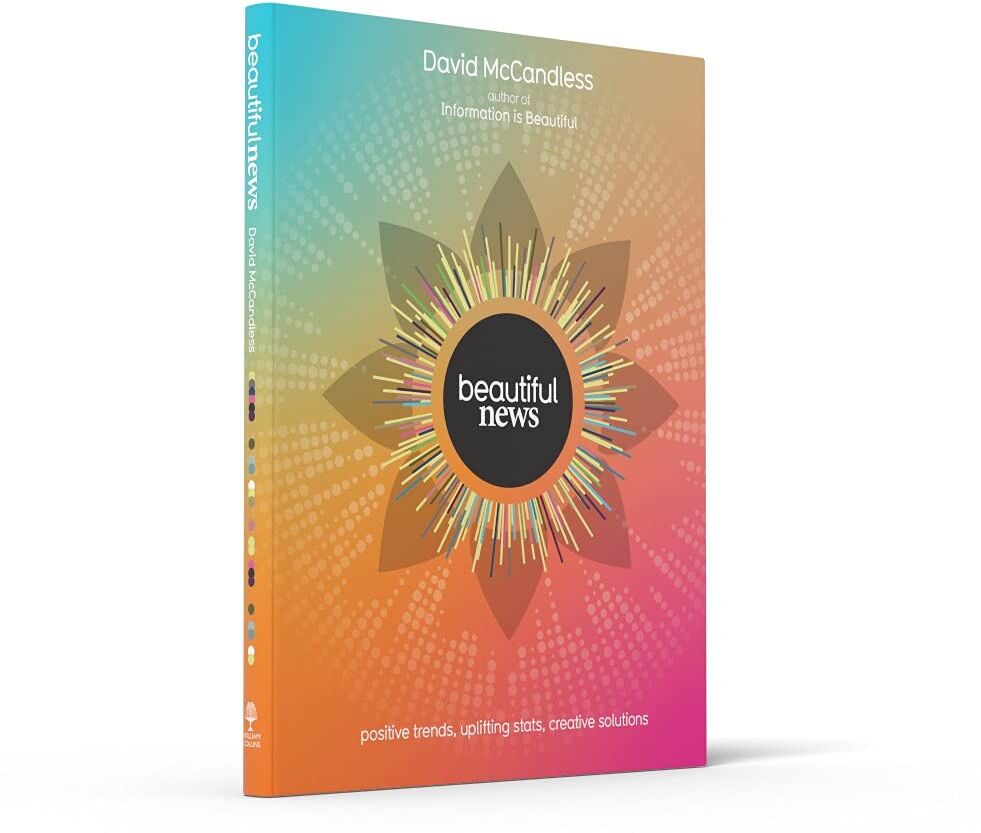
William Collins Beautiful News: Positive Trends, Uplifting Stats, Creative Solutions by David McCandlessIn this fascinating follow-up to the bestselling Information is Beautiful and Knowledge is Beautiful, the king of infographics David McCandless uses spectacular visuals to give us all a bit of good news. We are living in the Information Age, in which we are constantly bombarded with data – on television, in print and online. How can we relate to this mind-numbing overload? Enter David McCandless and his amazing infographics: simple, elegant ways to understand information too complex or abstract to grasp any way but visually. In his unique signature style, he creates dazzling displays that blend facts with their connections, contexts and relationships, making information meaningful, entertaining – and beautiful. In his highly anticipated third book, McCandless illustrates positive news from around the world, for an informative, engaging and uplifting collection of new infographic art.5,99 £*Shipping: 2,99 £Secure redirect to the provider
-
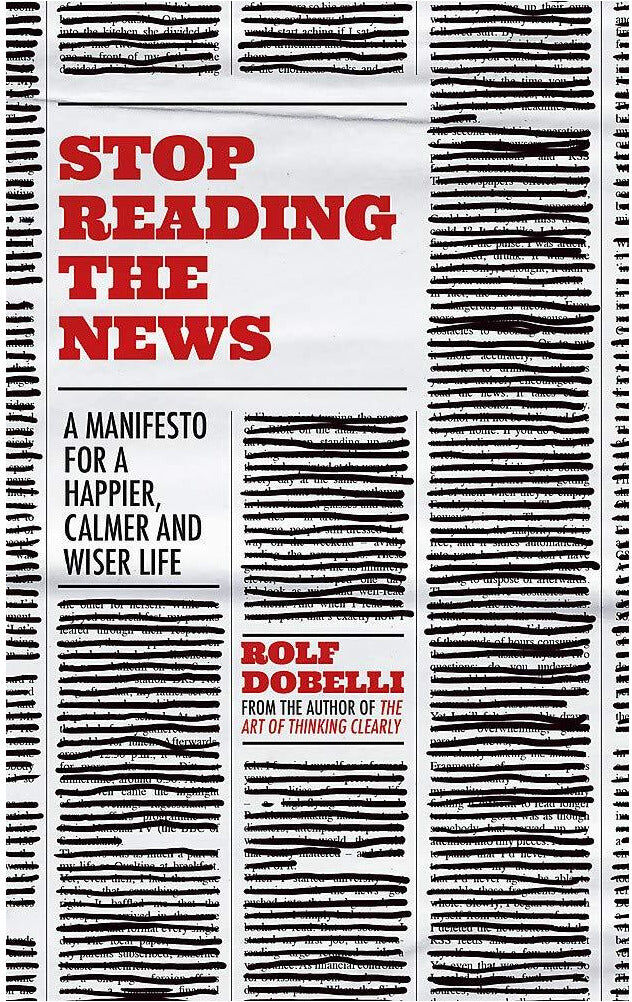
Sceptre Stop Reading the News: A Manifesto for a Happier, Calmer and Wiser Life by Rolf DobelliIn 2013 Rolf Dobelli stood in front of a roomful of journalists and proclaimed that he did not read the news. It caused a riot. Now the author of the bestselling The Art of Thinking Clearly finally sets down his philosophy in detail. And he practises what he preaches: he hasn't read the news for a decade. Stop Reading the News is Dobelli's manifesto about the dangers of the most toxic form of information - news. He shows the damage it does to our concentration and well-being, and how a misplaced sense of duty can misdirect our behaviour. Most importantly, he offers the reader the guidance on how to live without news, and the many potential gains to be had: less disruption, more time, less anxiety, more insights. In a world of increasing disruption and division, Stop Reading the News is a welcome voice of calm and wisdom.4,49 £*Shipping: 1,99 £Secure redirect to the provider


-
What discriminatory news articles or headlines have you ever seen?
I have seen news articles and headlines that discriminate against certain racial or ethnic groups, such as using derogatory language or perpetuating negative stereotypes. Additionally, I have come across articles that discriminate against individuals based on their gender, sexual orientation, or socioeconomic status. These articles can perpetuate harmful biases and contribute to the marginalization of certain groups in society. It is important to be critical of the media we consume and to advocate for more inclusive and respectful representation in news coverage. **
-
Does it say Je n'aime pas le chocolat or Je n'aime pas de chocolat?
The correct phrase is "Je n'aime pas le chocolat." This means "I don't like chocolate." The use of "le" indicates a specific, definite object, in this case, "the chocolate." Using "de" in this context would not be grammatically correct. **
-
When do you use ne pas in French negation and when do you use ne pas de?
In French, "ne pas" is used to form negation when the verb is directly negated, for example, "Je ne parle pas" (I do not speak). On the other hand, "ne pas de" is used when the negation involves a quantity or a partitive article, for example, "Je n'ai pas de pain" (I do not have any bread). So, "ne pas" is used for general negation of verbs, while "ne pas de" is used for negating the existence of a quantity or a partitive article. **
-
What is the meaning of pas de trois?
Pas de trois is a classical ballet term that translates to "dance for three" in French. It refers to a dance piece or variation performed by three dancers. The pas de trois is a common feature in classical ballet repertoire, often showcasing the skills and artistry of the dancers as they move together in harmony and synchronization. This type of dance allows for intricate choreography and formations, creating a visually captivating performance for the audience. **


What were your most embarrassing fashion faux pas?
One of my most embarrassing fashion faux pas was when I wore a pair of pants that had a huge rip in the back without realizing it. I only found out when a friend pointed it out to me in public. Another time, I wore a shirt inside out all day without noticing. Both instances were quite embarrassing, but looking back, they make for funny stories. **
Do you urgently need Pas de Deux music?
If you urgently need Pas de Deux music, it would be best to search for existing music that fits your needs. There are many classical compositions and arrangements that can be used for Pas de Deux performances. You can also consider reaching out to composers or music libraries to see if they have any existing Pas de Deux music available for licensing. If time is of the essence, it may be helpful to explore pre-existing options before considering commissioning a new piece. **
Top-Angebote
Products related to Pas:
-
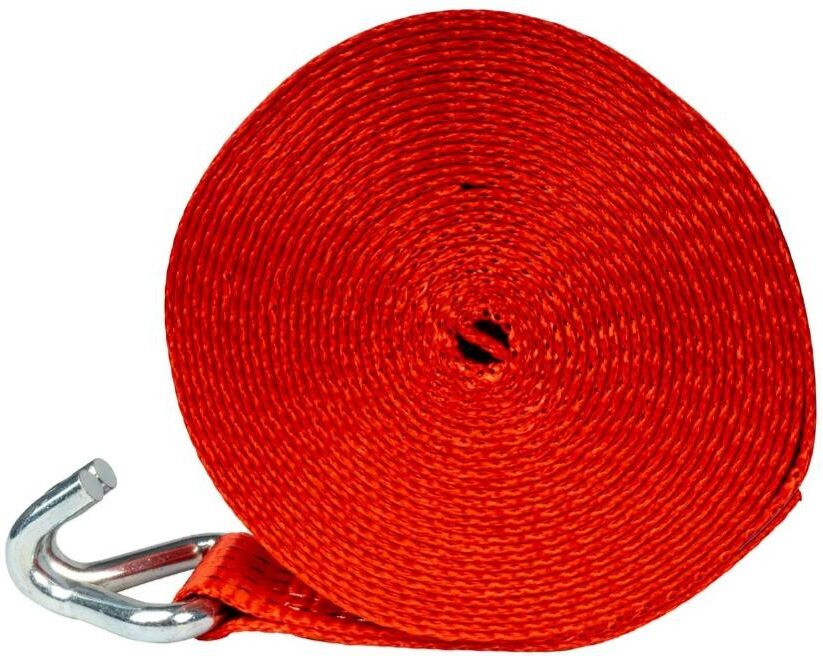
PAS-KAM 02023 Tie down strapMaximum Carrying Load [kg]: 2000; Length [m]: 4; Width [mm]: 35; Colour: green; Tools: with ratchet function; Supplementary Article / Supplementary Info Info 2: with hook; Number of hooks: 2; Number of Parts [parts]: 2; Quantity: 1; Quantity Unit: Kit; Features: with ratchet, with hook; Material: Polyester5,59 £*Shipping: 8,45 £Secure redirect to the provider
-
What does "j'ai pas" or "je ne sais pas" mean?
"J'ai pas" is a colloquial way of saying "I don't have" in French, where the word "pas" replaces the word "de." On the other hand, "je ne sais pas" means "I don't know." Both phrases are commonly used in everyday conversations in French-speaking countries. **
-
What is the difference between c'est pas and ce n'est pas?
The difference between "c'est pas" and "ce n'est pas" lies in their formality. "C'est pas" is a colloquial and informal way of saying "it's not" in French, while "ce n'est pas" is the formal and standard way of expressing the same idea. "C'est pas" is commonly used in spoken language and informal writing, while "ce n'est pas" is more appropriate for formal writing and polite speech. **
-
What discriminatory news articles or headlines have you ever seen?
I have seen news articles and headlines that discriminate against certain racial or ethnic groups, such as using derogatory language or perpetuating negative stereotypes. Additionally, I have come across articles that discriminate against individuals based on their gender, sexual orientation, or socioeconomic status. These articles can perpetuate harmful biases and contribute to the marginalization of certain groups in society. It is important to be critical of the media we consume and to advocate for more inclusive and respectful representation in news coverage. **
-
Does it say Je n'aime pas le chocolat or Je n'aime pas de chocolat?
The correct phrase is "Je n'aime pas le chocolat." This means "I don't like chocolate." The use of "le" indicates a specific, definite object, in this case, "the chocolate." Using "de" in this context would not be grammatically correct. **
Similar search terms for Pas
-
William Collins Beautiful News: Positive Trends, Uplifting Stats, Creative Solutions by David McCandlessIn this fascinating follow-up to the bestselling Information is Beautiful and Knowledge is Beautiful, the king of infographics David McCandless uses spectacular visuals to give us all a bit of good news. We are living in the Information Age, in which we are constantly bombarded with data – on television, in print and online. How can we relate to this mind-numbing overload? Enter David McCandless and his amazing infographics: simple, elegant ways to understand information too complex or abstract to grasp any way but visually. In his unique signature style, he creates dazzling displays that blend facts with their connections, contexts and relationships, making information meaningful, entertaining – and beautiful. In his highly anticipated third book, McCandless illustrates positive news from around the world, for an informative, engaging and uplifting collection of new infographic art.5,99 £*Shipping: 2,99 £Secure redirect to the provider
-
Sceptre Stop Reading the News: A Manifesto for a Happier, Calmer and Wiser Life by Rolf DobelliIn 2013 Rolf Dobelli stood in front of a roomful of journalists and proclaimed that he did not read the news. It caused a riot. Now the author of the bestselling The Art of Thinking Clearly finally sets down his philosophy in detail. And he practises what he preaches: he hasn't read the news for a decade. Stop Reading the News is Dobelli's manifesto about the dangers of the most toxic form of information - news. He shows the damage it does to our concentration and well-being, and how a misplaced sense of duty can misdirect our behaviour. Most importantly, he offers the reader the guidance on how to live without news, and the many potential gains to be had: less disruption, more time, less anxiety, more insights. In a world of increasing disruption and division, Stop Reading the News is a welcome voice of calm and wisdom.4,49 £*Shipping: 1,99 £Secure redirect to the provider
-
When do you use ne pas in French negation and when do you use ne pas de?
In French, "ne pas" is used to form negation when the verb is directly negated, for example, "Je ne parle pas" (I do not speak). On the other hand, "ne pas de" is used when the negation involves a quantity or a partitive article, for example, "Je n'ai pas de pain" (I do not have any bread). So, "ne pas" is used for general negation of verbs, while "ne pas de" is used for negating the existence of a quantity or a partitive article. **
-
What is the meaning of pas de trois?
Pas de trois is a classical ballet term that translates to "dance for three" in French. It refers to a dance piece or variation performed by three dancers. The pas de trois is a common feature in classical ballet repertoire, often showcasing the skills and artistry of the dancers as they move together in harmony and synchronization. This type of dance allows for intricate choreography and formations, creating a visually captivating performance for the audience. **
-
What were your most embarrassing fashion faux pas?
One of my most embarrassing fashion faux pas was when I wore a pair of pants that had a huge rip in the back without realizing it. I only found out when a friend pointed it out to me in public. Another time, I wore a shirt inside out all day without noticing. Both instances were quite embarrassing, but looking back, they make for funny stories. **
-
Do you urgently need Pas de Deux music?
If you urgently need Pas de Deux music, it would be best to search for existing music that fits your needs. There are many classical compositions and arrangements that can be used for Pas de Deux performances. You can also consider reaching out to composers or music libraries to see if they have any existing Pas de Deux music available for licensing. If time is of the essence, it may be helpful to explore pre-existing options before considering commissioning a new piece. **
* All prices are inclusive of VAT and, if applicable, plus shipping costs. The offer information is based on the details provided by the respective shop and is updated through automated processes. Real-time updates do not occur, so deviations can occur in individual cases. ** Note: Parts of this content were created by AI.