Buy lajmeonline.eu ?
We are moving the project
lajmeonline.eu .
Are you interested in purchasing the domain
lajmeonline.eu ?
domain@kv-gmbh.de · 0541-91531010
Buy lajmeonline.eu ?
What discriminatory news articles or headlines have you ever seen?
I have seen news articles and headlines that discriminate against certain racial or ethnic groups, such as using derogatory language or perpetuating negative stereotypes. Additionally, I have come across articles that discriminate against individuals based on their gender, sexual orientation, or socioeconomic status. These articles can perpetuate harmful biases and contribute to the marginalization of certain groups in society. It is important to be critical of the media we consume and to advocate for more inclusive and respectful representation in news coverage. **
What are environmental disasters?
Environmental disasters are events or occurrences that cause significant harm to the natural environment, often resulting in damage to ecosystems, wildlife, and human health. These disasters can be caused by natural phenomena such as earthquakes, hurricanes, and wildfires, or by human activities such as industrial accidents, oil spills, and deforestation. Environmental disasters can have long-lasting and far-reaching impacts on the environment, often requiring extensive cleanup and restoration efforts to mitigate their effects. Examples of environmental disasters include the Exxon Valdez oil spill, the Chernobyl nuclear disaster, and the ongoing deforestation of the Amazon rainforest. **
Similar search terms for Disasters
Top-Angebote
Products related to Disasters:
-
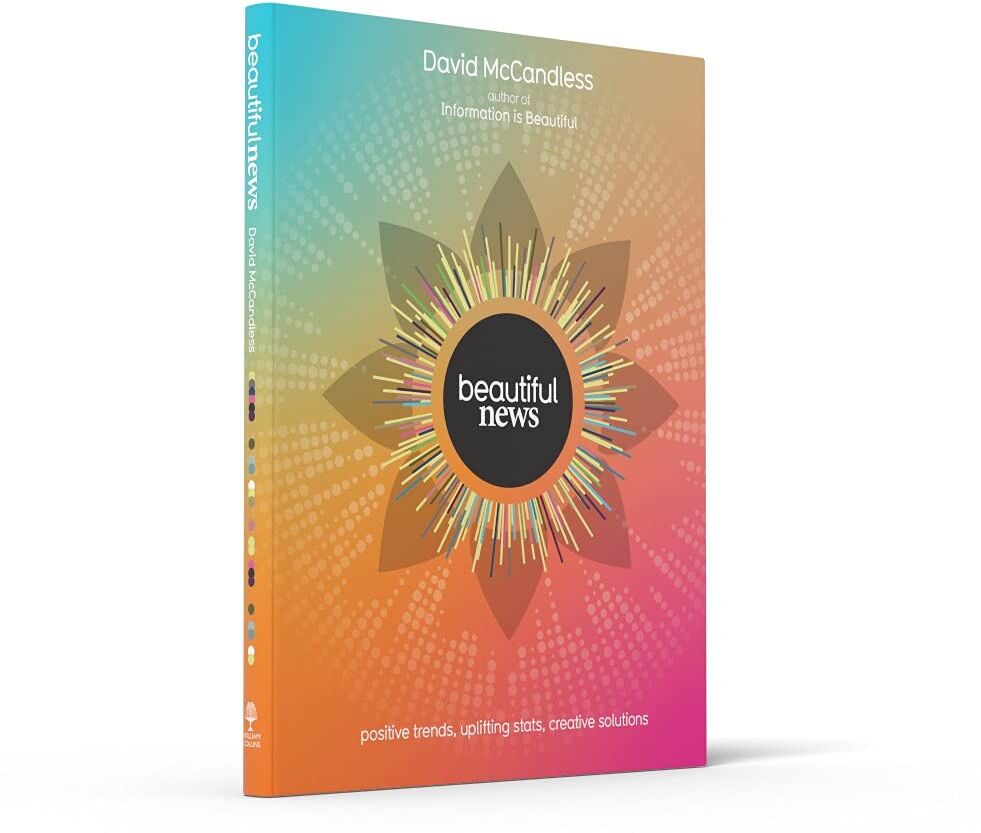
William Collins Beautiful News: Positive Trends, Uplifting Stats, Creative Solutions by David McCandlessIn this fascinating follow-up to the bestselling Information is Beautiful and Knowledge is Beautiful, the king of infographics David McCandless uses spectacular visuals to give us all a bit of good news. We are living in the Information Age, in which we are constantly bombarded with data – on television, in print and online. How can we relate to this mind-numbing overload? Enter David McCandless and his amazing infographics: simple, elegant ways to understand information too complex or abstract to grasp any way but visually. In his unique signature style, he creates dazzling displays that blend facts with their connections, contexts and relationships, making information meaningful, entertaining – and beautiful. In his highly anticipated third book, McCandless illustrates positive news from around the world, for an informative, engaging and uplifting collection of new infographic art.5,99 £*Shipping: 2,99 £Secure redirect to the provider
-
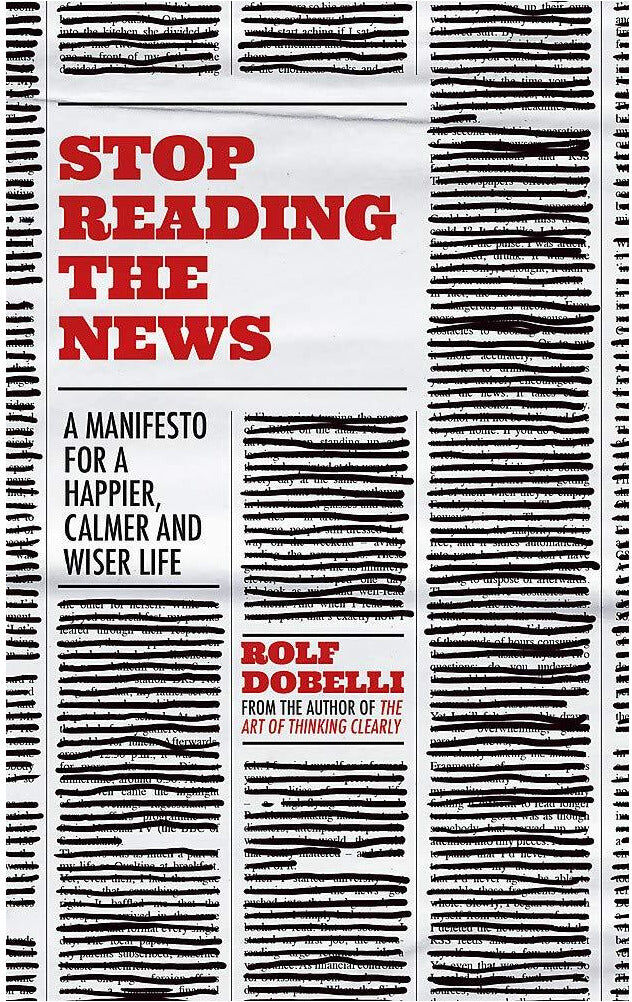
Sceptre Stop Reading the News: A Manifesto for a Happier, Calmer and Wiser Life by Rolf DobelliIn 2013 Rolf Dobelli stood in front of a roomful of journalists and proclaimed that he did not read the news. It caused a riot. Now the author of the bestselling The Art of Thinking Clearly finally sets down his philosophy in detail. And he practises what he preaches: he hasn't read the news for a decade. Stop Reading the News is Dobelli's manifesto about the dangers of the most toxic form of information - news. He shows the damage it does to our concentration and well-being, and how a misplaced sense of duty can misdirect our behaviour. Most importantly, he offers the reader the guidance on how to live without news, and the many potential gains to be had: less disruption, more time, less anxiety, more insights. In a world of increasing disruption and division, Stop Reading the News is a welcome voice of calm and wisdom.4,49 £*Shipping: 1,99 £Secure redirect to the provider
-
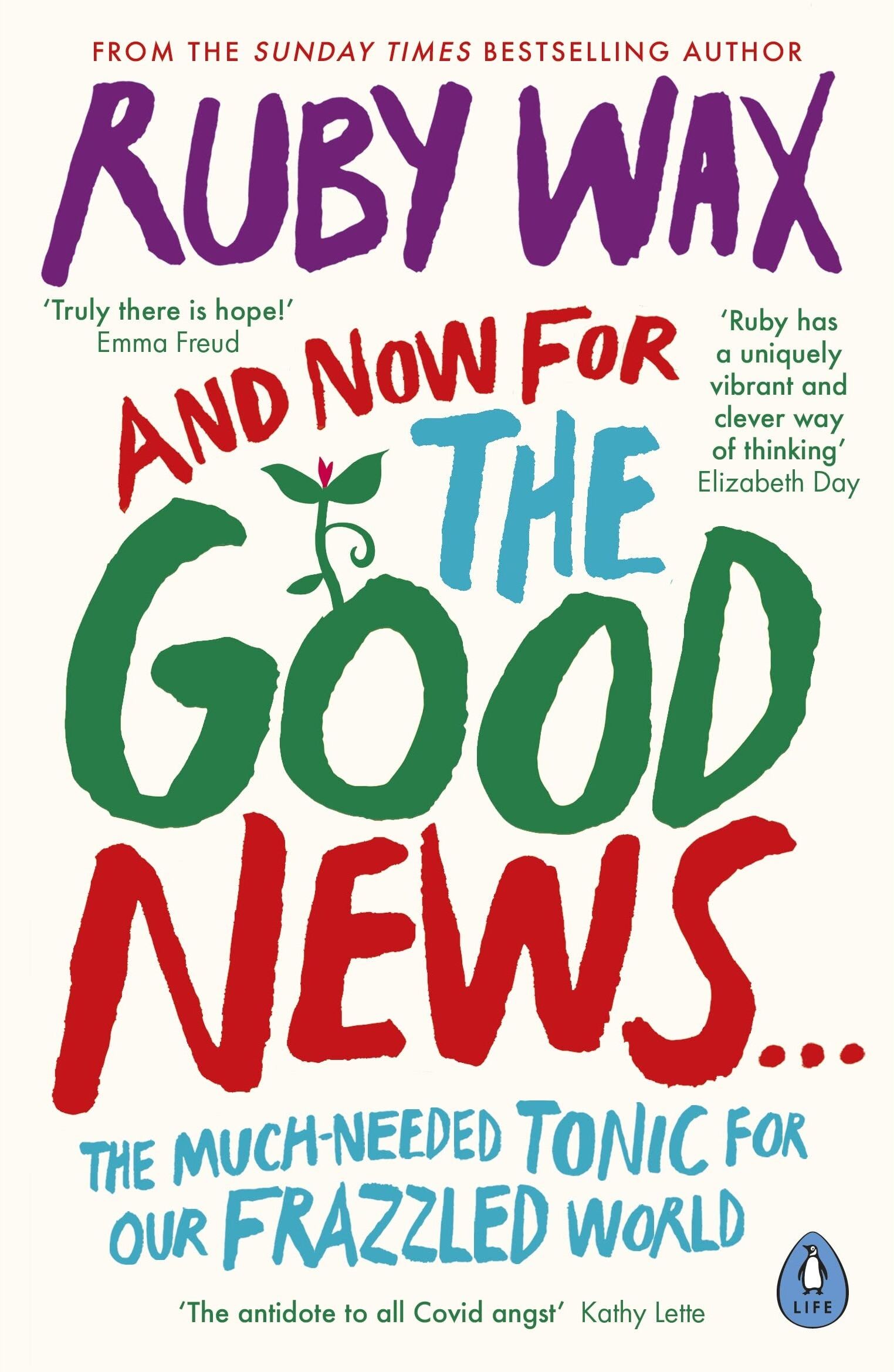
Penguin And Now For The Good News: The much-needed tonic for our frazzled world by Ruby WaxAnd Now For The Good News: The much-needed tonic for our frazzled world by Ruby Wax Bestselling author and comedian, Ruby Wax, uses her iconic wit and expertise to equip readers with a positive roadmap for a kinder, brighter world and better mental health. As we begin to see the green shoots of a post-pandemic world, Ruby Wax's clever and witty And Now for the Good News is the blueprint we all need for achieving a kinder, more compassionate world. Brimming with practical learnings, Ruby gives readers the opportunity to create lasting positive change and provides us all with a much-needed tonic for better mental health and wellbeing. She has spent the last three years speaking to the people who are spearheading the latest innovation and influencing a brighter future for humanity. From the communities being designed to eradicate loneliness and the companies putting their employees' happiness first, to the impressive AI technology teaching children with learning difficulties and taking literacy levels higher than ever before. And Now for the Good News distils her inspiring findings into key practical takeaways for all. Ruby's here to provide us all with a positive roadmap for a brighter world and most importantly, for better mental wellbeing.2,10 £*Shipping: 1,99 £Secure redirect to the provider

-
Why do people love disasters?
People are often drawn to disasters because they evoke strong emotions and a sense of drama. Disasters can also bring people together in a shared experience of fear, empathy, and resilience. Additionally, disasters can serve as a reminder of the fragility of life and the power of nature, prompting people to reflect on their own lives and priorities. Finally, the media coverage of disasters can create a sense of fascination and intrigue, drawing people in to learn more about the event and its impact. **
-
Why does God allow natural disasters?
Many theologians and religious scholars believe that natural disasters are a result of living in a fallen world, where sin and evil have corrupted the natural order. Some also see natural disasters as a way for God to remind humanity of their mortality and dependence on Him. Additionally, some believe that natural disasters can serve as a test of faith and an opportunity for individuals to come together in solidarity and compassion. Ultimately, the reasons for why God allows natural disasters are complex and may be beyond human understanding. **
-
How can environmental disasters be prevented?
Environmental disasters can be prevented through a combination of proactive measures such as implementing strict regulations and policies to reduce pollution, investing in sustainable practices and technologies, promoting conservation and restoration of natural habitats, and raising awareness and education about the importance of environmental protection. Additionally, early warning systems and emergency preparedness plans can help mitigate the impact of natural disasters such as hurricanes, floods, and wildfires. Collaboration between governments, industries, communities, and individuals is essential to address the root causes of environmental disasters and work towards a more sustainable future. **
-
What are natural disasters in Australia?
Natural disasters in Australia include bushfires, floods, cyclones, droughts, and heatwaves. These events can have devastating impacts on communities, infrastructure, and the environment. Australia's diverse climate and geography make it particularly susceptible to a range of natural disasters, which can occur throughout the year and vary in intensity. The Australian government and emergency services work to prepare for and respond to these disasters to minimize their impact on the population. **


What current natural disasters are there?
Currently, there are several natural disasters occurring around the world. These include wildfires in various parts of the United States, such as California and Oregon, as well as in Greece and Turkey. Additionally, there are ongoing hurricanes and tropical storms in the Atlantic and Pacific oceans, including Hurricane Ida in the Gulf Coast and Typhoon Chanthu in the western Pacific. Furthermore, there are also ongoing droughts in regions like the western United States and parts of Africa, as well as flooding in areas like China and India. **
What natural disasters are possible here?
The natural disasters that are possible in this area include earthquakes, wildfires, and flash floods. The region is located near a tectonic plate boundary, making it susceptible to seismic activity. Additionally, the dry climate and vegetation make the area prone to wildfires, especially during hot and dry seasons. Finally, the topography of the area can lead to flash floods during heavy rainfall events. **
Top-Angebote
Products related to Disasters:
-
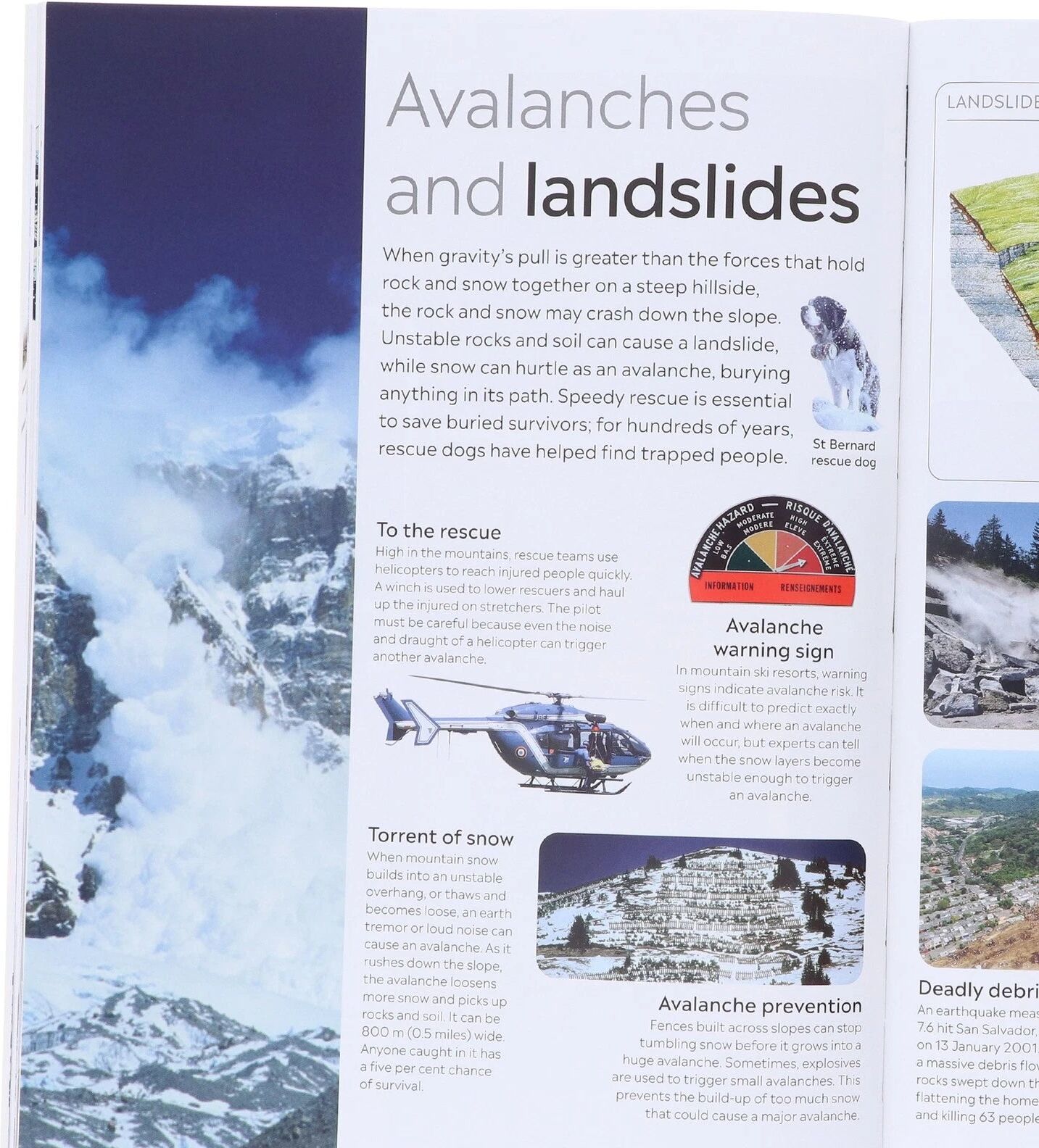
DK Eyewitness 10 Books Collection Set – Natural Disasters, Climate Change & Educational Discovery CollectionDK Eyewitness 10 Books Collection Set (SET 2):Titles In This Set:Natural DisastersWonders of the WorldFishCatClimate ChangeCrystal and GemRock and MineralInsectWeatherTitanic21,99 £*Shipping: 2,99 £Secure redirect to the provider
-
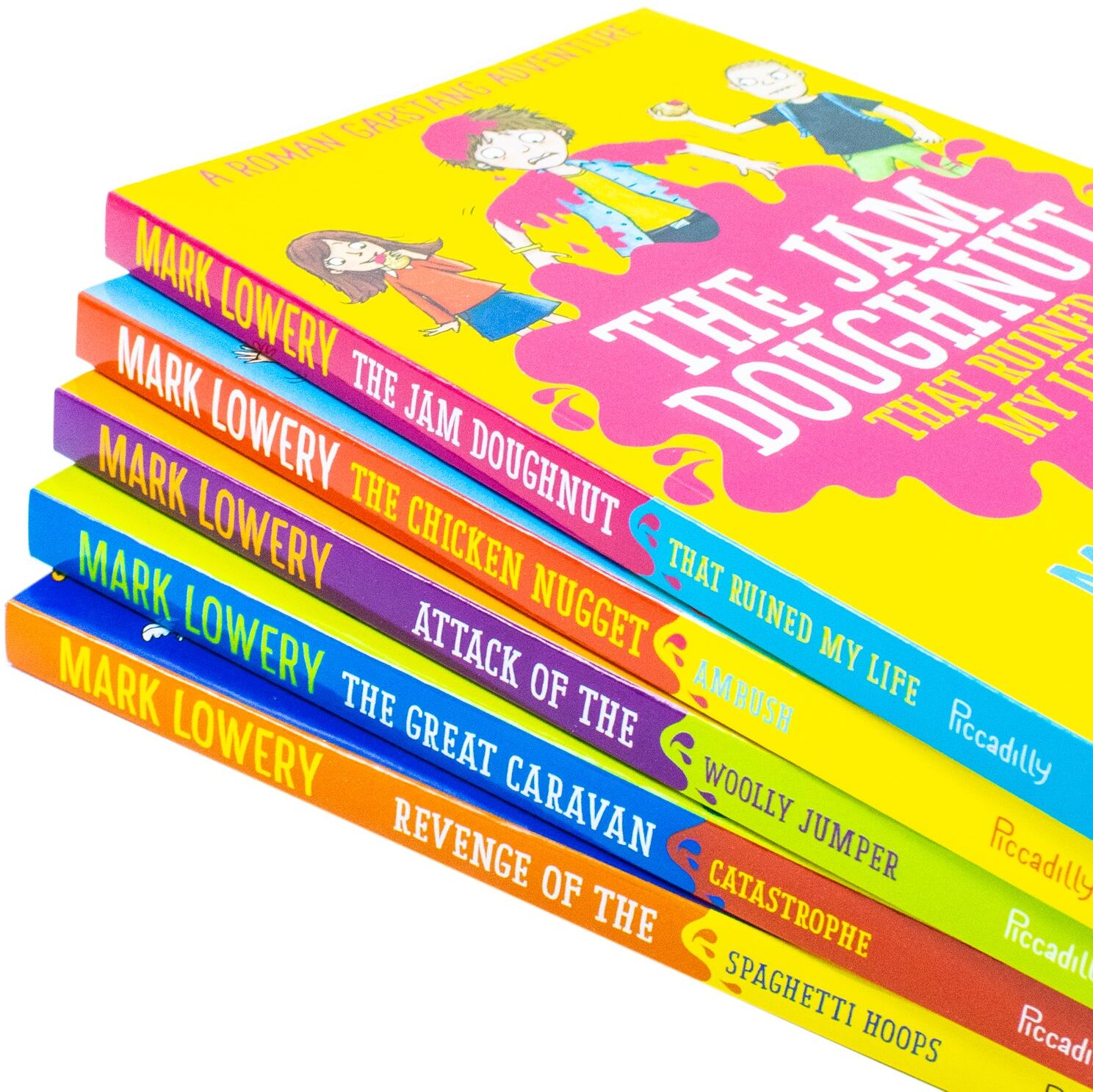
Picadilly Roman Garstang Disasters Collection 5 Books Set By Mark Lowery (Chicken Nugget Ambush, Attack of the Woolly Jumper, Great Caravan Catastrophe, RevengeRoman Garstang Disasters Collection 5 Books Set By Mark Lowery: The Chicken Nugget Ambush: There are only three issues: 1. With Darren Gamble as his new 'BFF' how can Roman make friends with funny, cool girl Vanya? 2. Roman will be sharing a tent with Kevin (AKA 'The Pukelear Missile') for THREE DAYS 3. Attack of the Woolly Jumper: Grandma has come to stay for the royal visit by Princess Lucy to launch her new badger charity, 'Badges for Badgers'. Which would be fine, if she hadn't knitted Roman the crummiest jumper (AKA "crumper") on earth that he's forced to wear to school. The Great Caravan Catastrophe: Incredibly, unbelievably, Roman's cousin is marrying the cousin of Rosie Taylor (AKA The Worst Person Who Ever Lived) cousin. Roman can't believe this (as Rosie says: "How can we be in the same family, we're barely in the same species"). Revenge of the Spaghetti Hoops: It's the end of term for Roman - the last week ever of primary school, in fact. And in what should be an unremarkable, tying-things-up kind of week, Roman's class get the opposite - a very special visitor. The Jam Doughnut That Ruined My Life: Roman Garstang is obsessed with food - particularly Squidgy Splodge raspberry-jam doughnuts - but he is about to learn that things are not always as sugar-coated as they might seem. Because of his Monday-morning jam doughnut, Roman's week takes a very sticky turn . . .13,99 £*Shipping: 2,99 £Secure redirect to the provider
-
William Collins Beautiful News: Positive Trends, Uplifting Stats, Creative Solutions by David McCandlessIn this fascinating follow-up to the bestselling Information is Beautiful and Knowledge is Beautiful, the king of infographics David McCandless uses spectacular visuals to give us all a bit of good news. We are living in the Information Age, in which we are constantly bombarded with data – on television, in print and online. How can we relate to this mind-numbing overload? Enter David McCandless and his amazing infographics: simple, elegant ways to understand information too complex or abstract to grasp any way but visually. In his unique signature style, he creates dazzling displays that blend facts with their connections, contexts and relationships, making information meaningful, entertaining – and beautiful. In his highly anticipated third book, McCandless illustrates positive news from around the world, for an informative, engaging and uplifting collection of new infographic art.5,99 £*Shipping: 2,99 £Secure redirect to the provider
-
Sceptre Stop Reading the News: A Manifesto for a Happier, Calmer and Wiser Life by Rolf DobelliIn 2013 Rolf Dobelli stood in front of a roomful of journalists and proclaimed that he did not read the news. It caused a riot. Now the author of the bestselling The Art of Thinking Clearly finally sets down his philosophy in detail. And he practises what he preaches: he hasn't read the news for a decade. Stop Reading the News is Dobelli's manifesto about the dangers of the most toxic form of information - news. He shows the damage it does to our concentration and well-being, and how a misplaced sense of duty can misdirect our behaviour. Most importantly, he offers the reader the guidance on how to live without news, and the many potential gains to be had: less disruption, more time, less anxiety, more insights. In a world of increasing disruption and division, Stop Reading the News is a welcome voice of calm and wisdom.4,49 £*Shipping: 1,99 £Secure redirect to the provider
-
What discriminatory news articles or headlines have you ever seen?
I have seen news articles and headlines that discriminate against certain racial or ethnic groups, such as using derogatory language or perpetuating negative stereotypes. Additionally, I have come across articles that discriminate against individuals based on their gender, sexual orientation, or socioeconomic status. These articles can perpetuate harmful biases and contribute to the marginalization of certain groups in society. It is important to be critical of the media we consume and to advocate for more inclusive and respectful representation in news coverage. **
-
What are environmental disasters?
Environmental disasters are events or occurrences that cause significant harm to the natural environment, often resulting in damage to ecosystems, wildlife, and human health. These disasters can be caused by natural phenomena such as earthquakes, hurricanes, and wildfires, or by human activities such as industrial accidents, oil spills, and deforestation. Environmental disasters can have long-lasting and far-reaching impacts on the environment, often requiring extensive cleanup and restoration efforts to mitigate their effects. Examples of environmental disasters include the Exxon Valdez oil spill, the Chernobyl nuclear disaster, and the ongoing deforestation of the Amazon rainforest. **
-
Why do people love disasters?
People are often drawn to disasters because they evoke strong emotions and a sense of drama. Disasters can also bring people together in a shared experience of fear, empathy, and resilience. Additionally, disasters can serve as a reminder of the fragility of life and the power of nature, prompting people to reflect on their own lives and priorities. Finally, the media coverage of disasters can create a sense of fascination and intrigue, drawing people in to learn more about the event and its impact. **
-
Why does God allow natural disasters?
Many theologians and religious scholars believe that natural disasters are a result of living in a fallen world, where sin and evil have corrupted the natural order. Some also see natural disasters as a way for God to remind humanity of their mortality and dependence on Him. Additionally, some believe that natural disasters can serve as a test of faith and an opportunity for individuals to come together in solidarity and compassion. Ultimately, the reasons for why God allows natural disasters are complex and may be beyond human understanding. **
Similar search terms for Disasters
-
Penguin And Now For The Good News: The much-needed tonic for our frazzled world by Ruby WaxAnd Now For The Good News: The much-needed tonic for our frazzled world by Ruby Wax Bestselling author and comedian, Ruby Wax, uses her iconic wit and expertise to equip readers with a positive roadmap for a kinder, brighter world and better mental health. As we begin to see the green shoots of a post-pandemic world, Ruby Wax's clever and witty And Now for the Good News is the blueprint we all need for achieving a kinder, more compassionate world. Brimming with practical learnings, Ruby gives readers the opportunity to create lasting positive change and provides us all with a much-needed tonic for better mental health and wellbeing. She has spent the last three years speaking to the people who are spearheading the latest innovation and influencing a brighter future for humanity. From the communities being designed to eradicate loneliness and the companies putting their employees' happiness first, to the impressive AI technology teaching children with learning difficulties and taking literacy levels higher than ever before. And Now for the Good News distils her inspiring findings into key practical takeaways for all. Ruby's here to provide us all with a positive roadmap for a brighter world and most importantly, for better mental wellbeing.2,10 £*Shipping: 1,99 £Secure redirect to the provider
-
How can environmental disasters be prevented?
Environmental disasters can be prevented through a combination of proactive measures such as implementing strict regulations and policies to reduce pollution, investing in sustainable practices and technologies, promoting conservation and restoration of natural habitats, and raising awareness and education about the importance of environmental protection. Additionally, early warning systems and emergency preparedness plans can help mitigate the impact of natural disasters such as hurricanes, floods, and wildfires. Collaboration between governments, industries, communities, and individuals is essential to address the root causes of environmental disasters and work towards a more sustainable future. **
-
What are natural disasters in Australia?
Natural disasters in Australia include bushfires, floods, cyclones, droughts, and heatwaves. These events can have devastating impacts on communities, infrastructure, and the environment. Australia's diverse climate and geography make it particularly susceptible to a range of natural disasters, which can occur throughout the year and vary in intensity. The Australian government and emergency services work to prepare for and respond to these disasters to minimize their impact on the population. **
-
What current natural disasters are there?
Currently, there are several natural disasters occurring around the world. These include wildfires in various parts of the United States, such as California and Oregon, as well as in Greece and Turkey. Additionally, there are ongoing hurricanes and tropical storms in the Atlantic and Pacific oceans, including Hurricane Ida in the Gulf Coast and Typhoon Chanthu in the western Pacific. Furthermore, there are also ongoing droughts in regions like the western United States and parts of Africa, as well as flooding in areas like China and India. **
-
What natural disasters are possible here?
The natural disasters that are possible in this area include earthquakes, wildfires, and flash floods. The region is located near a tectonic plate boundary, making it susceptible to seismic activity. Additionally, the dry climate and vegetation make the area prone to wildfires, especially during hot and dry seasons. Finally, the topography of the area can lead to flash floods during heavy rainfall events. **
* All prices are inclusive of VAT and, if applicable, plus shipping costs. The offer information is based on the details provided by the respective shop and is updated through automated processes. Real-time updates do not occur, so deviations can occur in individual cases. ** Note: Parts of this content were created by AI.