Buy lajmeonline.eu ?
We are moving the project
lajmeonline.eu .
Are you interested in purchasing the domain
lajmeonline.eu ?
domain@kv-gmbh.de · 0541-91531010
Buy lajmeonline.eu ?
What discriminatory news articles or headlines have you ever seen?
I have seen news articles and headlines that discriminate against certain racial or ethnic groups, such as using derogatory language or perpetuating negative stereotypes. Additionally, I have come across articles that discriminate against individuals based on their gender, sexual orientation, or socioeconomic status. These articles can perpetuate harmful biases and contribute to the marginalization of certain groups in society. It is important to be critical of the media we consume and to advocate for more inclusive and respectful representation in news coverage. **
Is the short story fictional or non-fictional?
The short story is fictional. It is a work of fiction that tells a made-up story, often involving characters, events, and settings that are not real. Fictional stories are created by the author's imagination and are not based on real events or people. **
Similar search terms for Fictional
Top-Angebote
Products related to Fictional:
-
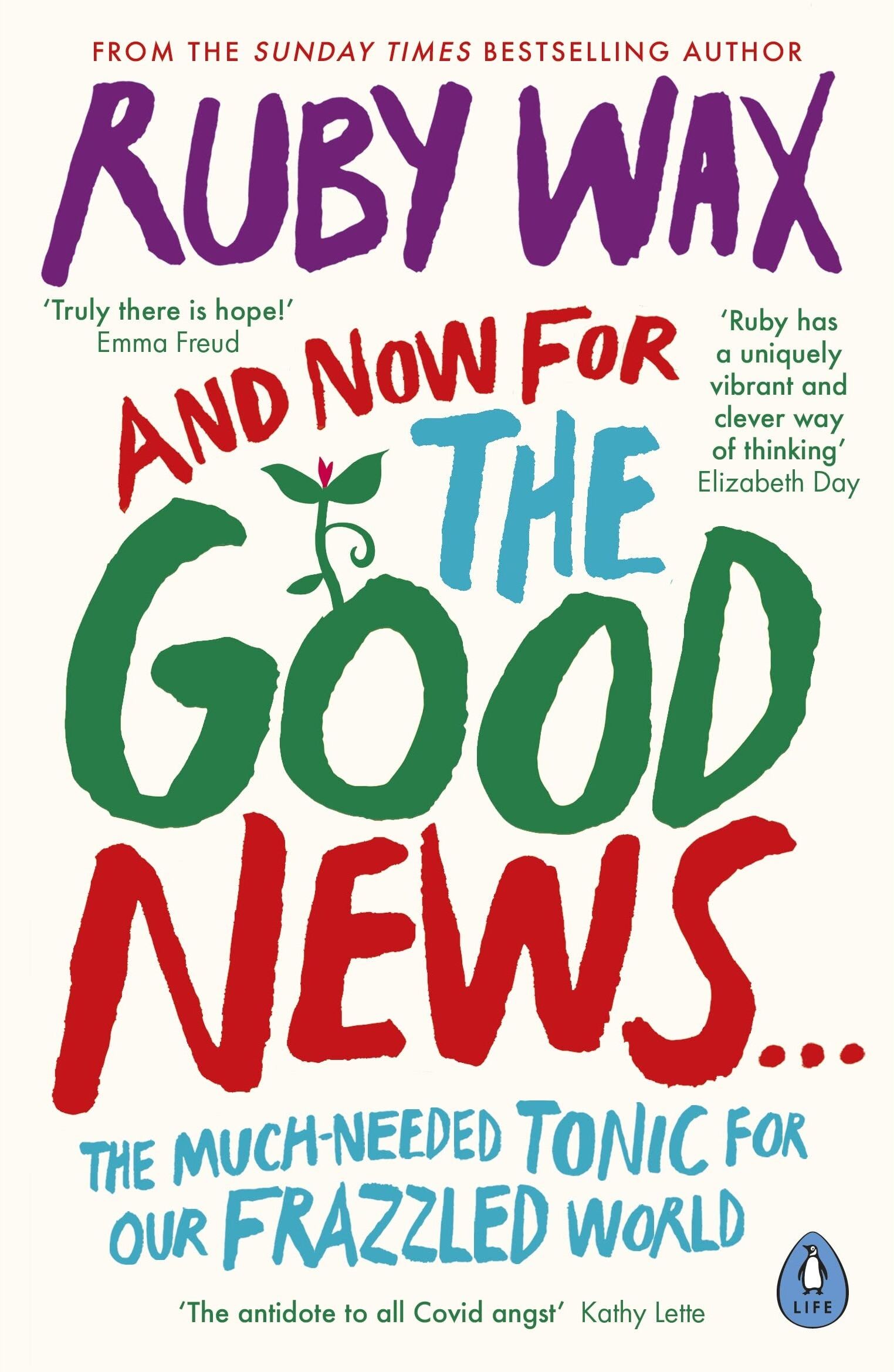
Penguin And Now For The Good News: The much-needed tonic for our frazzled world by Ruby WaxAnd Now For The Good News: The much-needed tonic for our frazzled world by Ruby Wax Bestselling author and comedian, Ruby Wax, uses her iconic wit and expertise to equip readers with a positive roadmap for a kinder, brighter world and better mental health. As we begin to see the green shoots of a post-pandemic world, Ruby Wax's clever and witty And Now for the Good News is the blueprint we all need for achieving a kinder, more compassionate world. Brimming with practical learnings, Ruby gives readers the opportunity to create lasting positive change and provides us all with a much-needed tonic for better mental health and wellbeing. She has spent the last three years speaking to the people who are spearheading the latest innovation and influencing a brighter future for humanity. From the communities being designed to eradicate loneliness and the companies putting their employees' happiness first, to the impressive AI technology teaching children with learning difficulties and taking literacy levels higher than ever before. And Now for the Good News distils her inspiring findings into key practical takeaways for all. Ruby's here to provide us all with a positive roadmap for a brighter world and most importantly, for better mental wellbeing.2,10 £*Shipping: 1,99 £Secure redirect to the provider
-
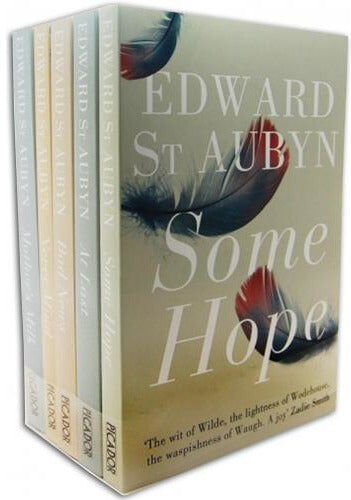
Picador Patrick Melrose Novels 5 Book Set by Edward St Aubyn – Never Mind, Bad News & Mother’s Milk CollectionNever Mind At his mother's family house in the south of France, Patrick Melrose has the run of a magical garden. Bravely imaginative and self-sufficient, five-year-old Patrick encounters the volatile lives of adults with care. His father, David, rules with considered cruelty, and Eleanor, his mother, has retreated into drink. They are expecting guests for dinner. But this afternoon is unlike the chain of summer days before, and the shocking events that precede the guests' arrival tear Patrick's world in two. Bad News Twenty-two years old and in the grip of a massive addiction, Patrick Melrose is forced to fly to New York to collect his father's ashes. Over the course of a weekend, Patrick's remorseless search for drugs on the avenues of Manhattan, haunted by old acquaintances and insistent inner voices, sends him into a nightmarish spiral. Alone in his room at the Pierce Hotel, he pushes body and mind to the very edge - desperate always to stay one step ahead of his rapidly encroaching past. Some Hope Patrick Melrose, cleaned-up and world-weary, is a reluctant guest at a glittering party deep in the English countryside. Amid a crowd of flitting social dragonflies, he finds his search for redemption and capacity for forgiveness challenged by his observation for the cruelties around him. Armed with his biting wit and a newly fashioned openness, can Patrick, who has been to the furthest limits of experience and back again, find release from the savageries of his childhood? Mother's Milk The once illustrious, once wealthy Melroses are in Peril. Caught up in the wreckage of broken promises, child-rearing, adultery and assisted suicide, Patrick finds his wife Mary consumed by motherhood, his mother in thrall to a New Age foundation, and his young son Robert understanding far more than he should. But even as the family struggles against the pull of its ever-present past, a new generation brings new tenderness, and the possibility of change. At Last As friends, relatives and foes trickle in to pay their final respects to his mother Eleanor, Patrick Melrose finds himself questioning whether a life without parents will be the liberation he has so long imagined. Yet as the memorial service ends and the family gathers one last time, amidst the social niceties and the social horrors, the calms and the rapids, Patrick begins to sense a new current: the chance of some form of safety - at last.9,99 £*Shipping: 2,99 £Secure redirect to the provider
-
Vornado Velocity HD Garage Space Heater with Advanced Safety FeaturesINCREASED PERFORMANCE – The Velocity HD heater features Velocity Tuned Heat technology, delivering hotter heat with superior efficiency. Its advanced aerodynamics push air further and faster, increasing warmth all around you.94,99 $*Shipping: 0,00 $Secure redirect to the provider


-
What is the difference between fictional and non-fictional texts?
Fictional texts are narratives that are created from the author's imagination and are not based on real events or people. They often include elements of storytelling, such as characters, plot, and setting. Non-fictional texts, on the other hand, are based on real events, people, and information. They are meant to inform or educate the reader about a particular topic, and are often written in a more straightforward and factual style. Overall, the key difference between the two is that fictional texts are made-up stories, while non-fictional texts are based on real-life events and information. **
-
What are fictional elements?
Fictional elements are the imaginative and made-up components that contribute to the creation of a fictional story or world. These elements can include characters, settings, events, and objects that do not exist in reality but are essential to the narrative. Fictional elements allow authors to create unique and captivating stories that transport readers to new and fantastical worlds. They are a key aspect of fiction and play a crucial role in engaging the audience and bringing the story to life. **
-
What are fictional places?
Fictional places are locations that are created within works of fiction, such as books, movies, or television shows. These places do not exist in the real world, but are imagined by the author or creator of the work. They can range from fantastical realms like Narnia or Middle-earth to more realistic settings like the town of Maycomb in "To Kill a Mockingbird." Fictional places serve as the backdrop for the story and often play a significant role in shaping the narrative and the characters' experiences. **
-
What are some name ideas for a fictional country and a fictional city?
For a fictional country, some name ideas could be "Aurora" to evoke a sense of beauty and wonder, "Veridian" to convey a lush, green landscape, or "Novaria" to suggest a new and innovative society. For a fictional city, names like "Elysium" could imply a paradise-like setting, "Havenbrook" to suggest a safe and welcoming community, or "Aurelia" to convey a sense of prosperity and golden opportunities. These names can help set the tone and atmosphere for the fictional world you are creating. **


What is a fictional cult?
A fictional cult is a group of individuals who follow a set of beliefs, practices, or rituals that are often extreme or unconventional. These cults are created by authors, filmmakers, or other creators as part of a fictional story or world. They can serve as a plot device to explore themes of power, control, manipulation, or the dangers of blind faith. Fictional cults can range from secretive organizations with sinister motives to groups that genuinely believe in their cause but may be misguided or harmful. **
What are my fictional characters?
Your fictional characters are the individuals you have created in your stories, novels, or other forms of writing. They are the personalities that drive the plot forward, each with their own unique traits, motivations, and backstories. These characters can be heroes, villains, sidekicks, or any other role you have envisioned for them, and they play a crucial role in bringing your stories to life and engaging your readers. **
Top-Angebote
Products related to Fictional:
-
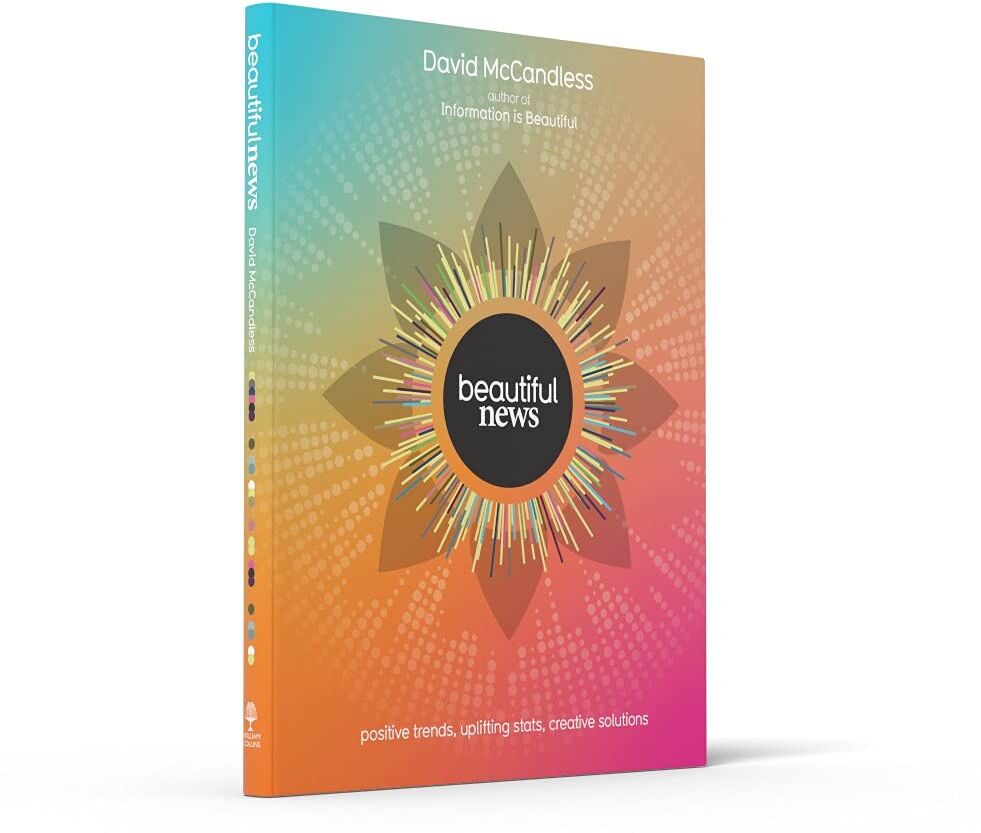
William Collins Beautiful News: Positive Trends, Uplifting Stats, Creative Solutions by David McCandlessIn this fascinating follow-up to the bestselling Information is Beautiful and Knowledge is Beautiful, the king of infographics David McCandless uses spectacular visuals to give us all a bit of good news. We are living in the Information Age, in which we are constantly bombarded with data – on television, in print and online. How can we relate to this mind-numbing overload? Enter David McCandless and his amazing infographics: simple, elegant ways to understand information too complex or abstract to grasp any way but visually. In his unique signature style, he creates dazzling displays that blend facts with their connections, contexts and relationships, making information meaningful, entertaining – and beautiful. In his highly anticipated third book, McCandless illustrates positive news from around the world, for an informative, engaging and uplifting collection of new infographic art.5,99 £*Shipping: 2,99 £Secure redirect to the provider
-
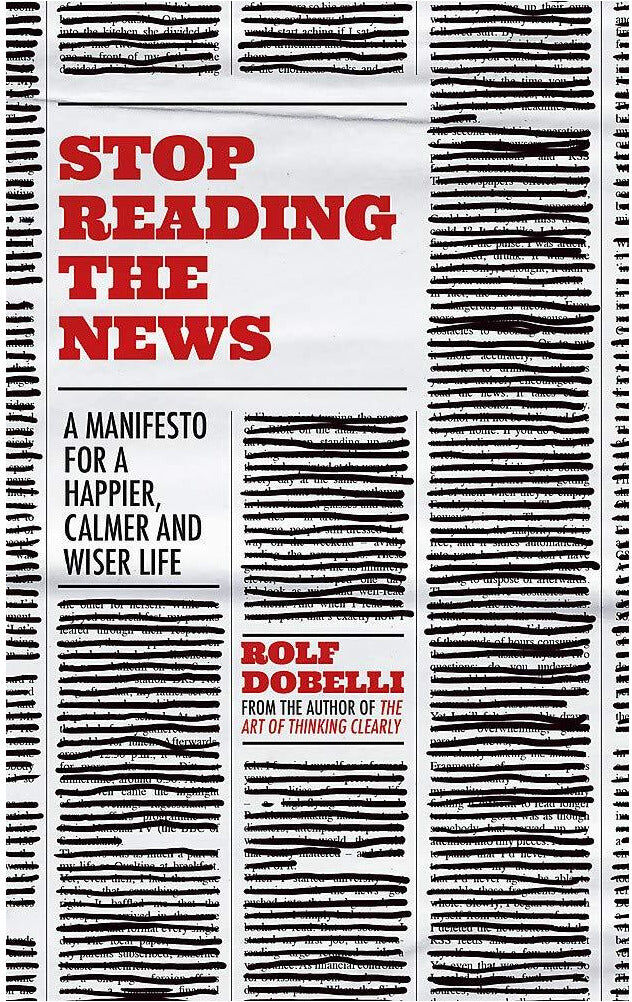
Sceptre Stop Reading the News: A Manifesto for a Happier, Calmer and Wiser Life by Rolf DobelliIn 2013 Rolf Dobelli stood in front of a roomful of journalists and proclaimed that he did not read the news. It caused a riot. Now the author of the bestselling The Art of Thinking Clearly finally sets down his philosophy in detail. And he practises what he preaches: he hasn't read the news for a decade. Stop Reading the News is Dobelli's manifesto about the dangers of the most toxic form of information - news. He shows the damage it does to our concentration and well-being, and how a misplaced sense of duty can misdirect our behaviour. Most importantly, he offers the reader the guidance on how to live without news, and the many potential gains to be had: less disruption, more time, less anxiety, more insights. In a world of increasing disruption and division, Stop Reading the News is a welcome voice of calm and wisdom.4,49 £*Shipping: 1,99 £Secure redirect to the provider
-
Penguin And Now For The Good News: The much-needed tonic for our frazzled world by Ruby WaxAnd Now For The Good News: The much-needed tonic for our frazzled world by Ruby Wax Bestselling author and comedian, Ruby Wax, uses her iconic wit and expertise to equip readers with a positive roadmap for a kinder, brighter world and better mental health. As we begin to see the green shoots of a post-pandemic world, Ruby Wax's clever and witty And Now for the Good News is the blueprint we all need for achieving a kinder, more compassionate world. Brimming with practical learnings, Ruby gives readers the opportunity to create lasting positive change and provides us all with a much-needed tonic for better mental health and wellbeing. She has spent the last three years speaking to the people who are spearheading the latest innovation and influencing a brighter future for humanity. From the communities being designed to eradicate loneliness and the companies putting their employees' happiness first, to the impressive AI technology teaching children with learning difficulties and taking literacy levels higher than ever before. And Now for the Good News distils her inspiring findings into key practical takeaways for all. Ruby's here to provide us all with a positive roadmap for a brighter world and most importantly, for better mental wellbeing.2,10 £*Shipping: 1,99 £Secure redirect to the provider
-
What discriminatory news articles or headlines have you ever seen?
I have seen news articles and headlines that discriminate against certain racial or ethnic groups, such as using derogatory language or perpetuating negative stereotypes. Additionally, I have come across articles that discriminate against individuals based on their gender, sexual orientation, or socioeconomic status. These articles can perpetuate harmful biases and contribute to the marginalization of certain groups in society. It is important to be critical of the media we consume and to advocate for more inclusive and respectful representation in news coverage. **
-
Is the short story fictional or non-fictional?
The short story is fictional. It is a work of fiction that tells a made-up story, often involving characters, events, and settings that are not real. Fictional stories are created by the author's imagination and are not based on real events or people. **
-
What is the difference between fictional and non-fictional texts?
Fictional texts are narratives that are created from the author's imagination and are not based on real events or people. They often include elements of storytelling, such as characters, plot, and setting. Non-fictional texts, on the other hand, are based on real events, people, and information. They are meant to inform or educate the reader about a particular topic, and are often written in a more straightforward and factual style. Overall, the key difference between the two is that fictional texts are made-up stories, while non-fictional texts are based on real-life events and information. **
-
What are fictional elements?
Fictional elements are the imaginative and made-up components that contribute to the creation of a fictional story or world. These elements can include characters, settings, events, and objects that do not exist in reality but are essential to the narrative. Fictional elements allow authors to create unique and captivating stories that transport readers to new and fantastical worlds. They are a key aspect of fiction and play a crucial role in engaging the audience and bringing the story to life. **
Similar search terms for Fictional
-
Picador Patrick Melrose Novels 5 Book Set by Edward St Aubyn – Never Mind, Bad News & Mother’s Milk CollectionNever Mind At his mother's family house in the south of France, Patrick Melrose has the run of a magical garden. Bravely imaginative and self-sufficient, five-year-old Patrick encounters the volatile lives of adults with care. His father, David, rules with considered cruelty, and Eleanor, his mother, has retreated into drink. They are expecting guests for dinner. But this afternoon is unlike the chain of summer days before, and the shocking events that precede the guests' arrival tear Patrick's world in two. Bad News Twenty-two years old and in the grip of a massive addiction, Patrick Melrose is forced to fly to New York to collect his father's ashes. Over the course of a weekend, Patrick's remorseless search for drugs on the avenues of Manhattan, haunted by old acquaintances and insistent inner voices, sends him into a nightmarish spiral. Alone in his room at the Pierce Hotel, he pushes body and mind to the very edge - desperate always to stay one step ahead of his rapidly encroaching past. Some Hope Patrick Melrose, cleaned-up and world-weary, is a reluctant guest at a glittering party deep in the English countryside. Amid a crowd of flitting social dragonflies, he finds his search for redemption and capacity for forgiveness challenged by his observation for the cruelties around him. Armed with his biting wit and a newly fashioned openness, can Patrick, who has been to the furthest limits of experience and back again, find release from the savageries of his childhood? Mother's Milk The once illustrious, once wealthy Melroses are in Peril. Caught up in the wreckage of broken promises, child-rearing, adultery and assisted suicide, Patrick finds his wife Mary consumed by motherhood, his mother in thrall to a New Age foundation, and his young son Robert understanding far more than he should. But even as the family struggles against the pull of its ever-present past, a new generation brings new tenderness, and the possibility of change. At Last As friends, relatives and foes trickle in to pay their final respects to his mother Eleanor, Patrick Melrose finds himself questioning whether a life without parents will be the liberation he has so long imagined. Yet as the memorial service ends and the family gathers one last time, amidst the social niceties and the social horrors, the calms and the rapids, Patrick begins to sense a new current: the chance of some form of safety - at last.9,99 £*Shipping: 2,99 £Secure redirect to the provider
-
Vornado Velocity HD Garage Space Heater with Advanced Safety FeaturesINCREASED PERFORMANCE – The Velocity HD heater features Velocity Tuned Heat technology, delivering hotter heat with superior efficiency. Its advanced aerodynamics push air further and faster, increasing warmth all around you.94,99 $*Shipping: 0,00 $Secure redirect to the provider
-
What are fictional places?
Fictional places are locations that are created within works of fiction, such as books, movies, or television shows. These places do not exist in the real world, but are imagined by the author or creator of the work. They can range from fantastical realms like Narnia or Middle-earth to more realistic settings like the town of Maycomb in "To Kill a Mockingbird." Fictional places serve as the backdrop for the story and often play a significant role in shaping the narrative and the characters' experiences. **
-
What are some name ideas for a fictional country and a fictional city?
For a fictional country, some name ideas could be "Aurora" to evoke a sense of beauty and wonder, "Veridian" to convey a lush, green landscape, or "Novaria" to suggest a new and innovative society. For a fictional city, names like "Elysium" could imply a paradise-like setting, "Havenbrook" to suggest a safe and welcoming community, or "Aurelia" to convey a sense of prosperity and golden opportunities. These names can help set the tone and atmosphere for the fictional world you are creating. **
-
What is a fictional cult?
A fictional cult is a group of individuals who follow a set of beliefs, practices, or rituals that are often extreme or unconventional. These cults are created by authors, filmmakers, or other creators as part of a fictional story or world. They can serve as a plot device to explore themes of power, control, manipulation, or the dangers of blind faith. Fictional cults can range from secretive organizations with sinister motives to groups that genuinely believe in their cause but may be misguided or harmful. **
-
What are my fictional characters?
Your fictional characters are the individuals you have created in your stories, novels, or other forms of writing. They are the personalities that drive the plot forward, each with their own unique traits, motivations, and backstories. These characters can be heroes, villains, sidekicks, or any other role you have envisioned for them, and they play a crucial role in bringing your stories to life and engaging your readers. **
* All prices are inclusive of VAT and, if applicable, plus shipping costs. The offer information is based on the details provided by the respective shop and is updated through automated processes. Real-time updates do not occur, so deviations can occur in individual cases. ** Note: Parts of this content were created by AI.